
About Percula Clownfish
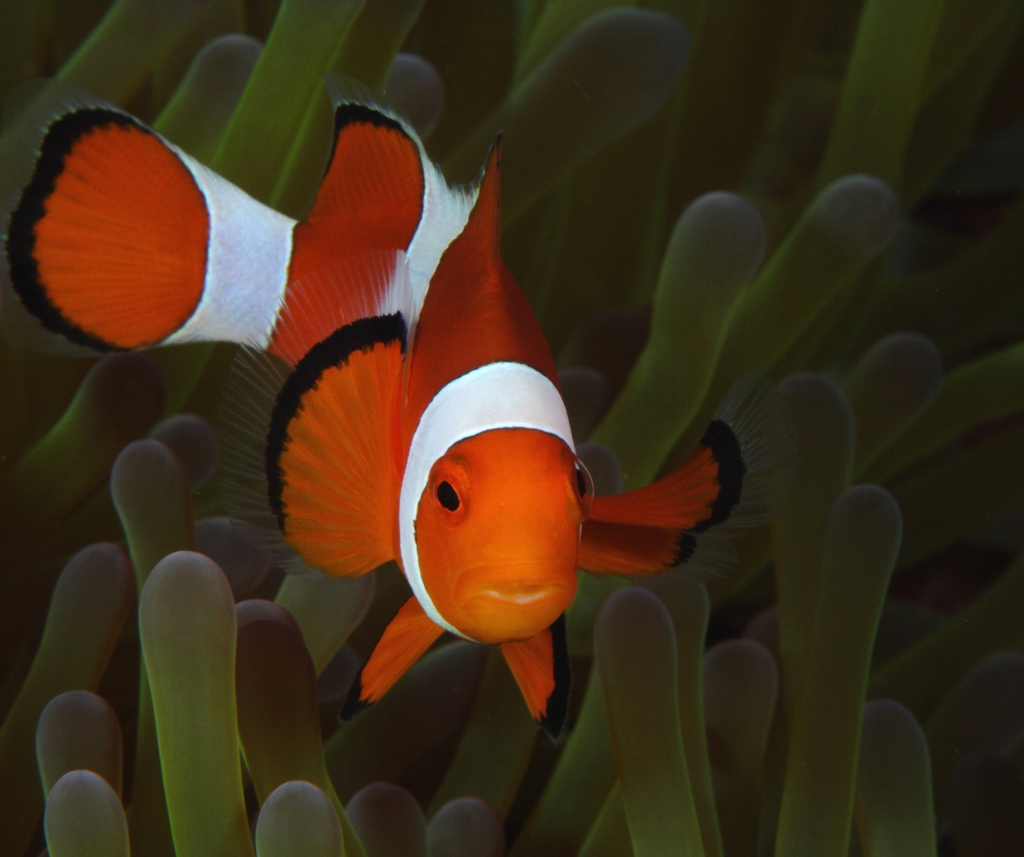
The percula clownfish (Amphiprion percula) is one of the most iconic reef fish in the hobby — small, hardy, and famously photogenic against host anemones. Tank-bred specimens are widely available and adapt well to standard reef tanks.
The orange clownfish also known as percula clownfish and clownfish, is widely known as a popular aquarium fish. Like other clownfishes, it often lives in association with sea anemones. A. percula is associated specifically with Heteractis magnifica and Stichodactyla gigantea, and as larvae use chemical cues released from the anemones to identify and locate the appropriate host species to use them for shelter and protection. This causes preferential selection when finding their anemone host species.
Notes from the editors
What it looks like. Bright orange body with three white vertical bars edged in thick black. Visually nearly identical to Amphiprion ocellaris but with thicker black borders and 10 dorsal spines (vs. ocellaris's 11). Slightly smaller adult size.
In your tank. The textbook beginner reef fish. Hardy, peaceful to most tankmates, and famously bonded to anemones (though anemones are advanced and not required — captive-bred perculas adapt well to anemone-free tanks). Will defend a small territory aggressively but rarely escalates to harm.
Care notes. Tank-bred specimens dramatically outperform wild-caught in adaptability and longevity. Avoid keeping with larger Amphiprion species (clarkii, maroon) which will outcompete or kill perculas. Pairs form readily when introduced young; aggressive between mismatched adults.
Sourcing and feeding. Universally available as captive-bred. Designer morphs (Picasso, Snowflake, etc.) command higher prices and have varying degrees of inbreeding-related health risks. Omnivore — pellets, frozen mysis, frozen brine, and occasional nori.
Care info is a starting point, not a guarantee. Individual specimens, water chemistry, and tankmate dynamics vary. Verify against multiple sources and adjust to what you observe. See our terms & disclaimers.
Related fish


Sources & attribution
- Taxonomy and accepted name from the World Register of Marine Species (WoRMS AphiaID 278402).
- Description content adapted from Wikipedia, available under CC BY-SA 4.0.
- Photo: Curtis Clark / Cal Poly Pomona · CC BY-SA 2.5 (via iNaturalist or Wikimedia Commons).