
How to start a saltwater tank.
A step-by-step learning path for your first reef. Read in order, move at your pace. By the end you'll know what to buy, what to avoid, and what to expect.
The learning path
Read these in order. Each step builds on the last.
- 1
Saltwater vs. freshwater: an honest comparison
Saltwater isn't 'just freshwater with salt added.' Here's what's actually different — cost, livestock, time, and the satisfaction at the end.
1 min read
- 2
How to cycle a saltwater tank (the right way)
Cycling builds the bacterial colonies that keep fish alive. Done wrong it kills livestock. Here is the patient, no-shortcut version.
2 min read
- 3
Your first saltwater fish: 7 species that won't break your heart
Once your tank is cycled, you need a hardy fish that survives beginner mistakes. These seven species have a track record.
1 min read
- 4
Equipment essentials: what your first reef tank actually needs
Strip out the marketing. This is the gear list that matters for a stable, beautiful first reef — and what you can defer.
1 min read
Hardy first-fish picks
Reef-safe, peaceful, and forgiving. Once your tank is cycled, start here.
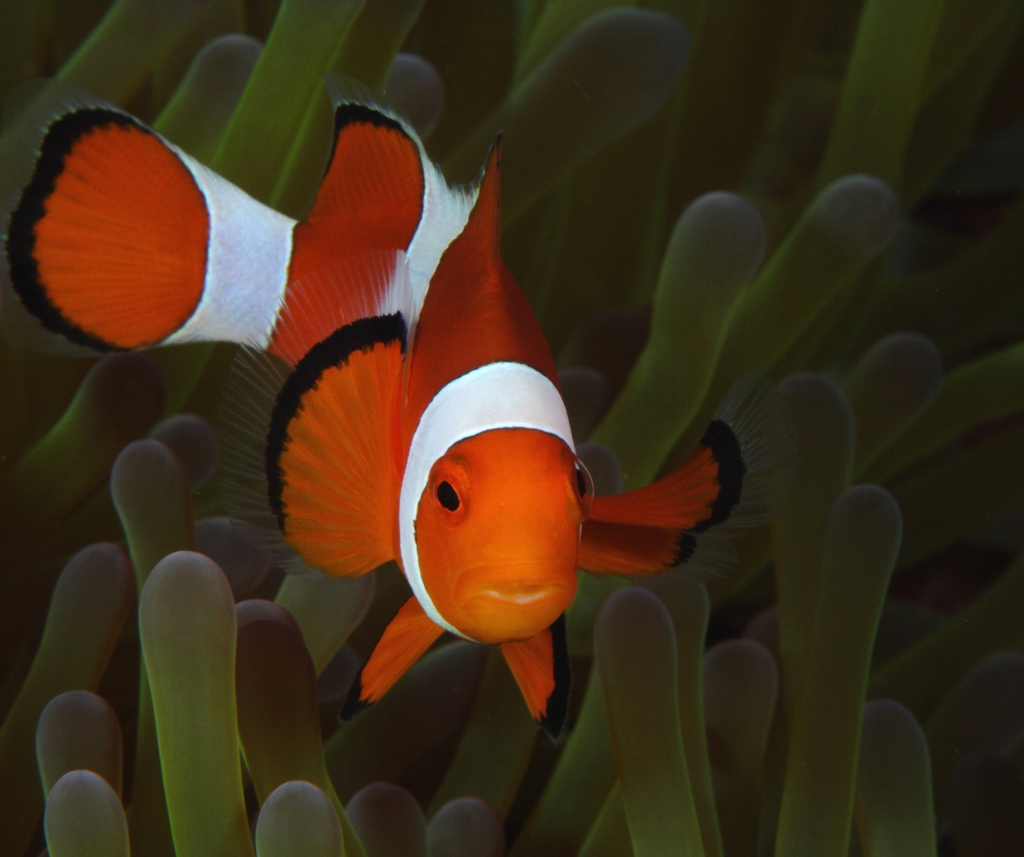
Ocellaris Clownfish
Family Pomacentridae

Psychedelic Wrasse
Family Labridae
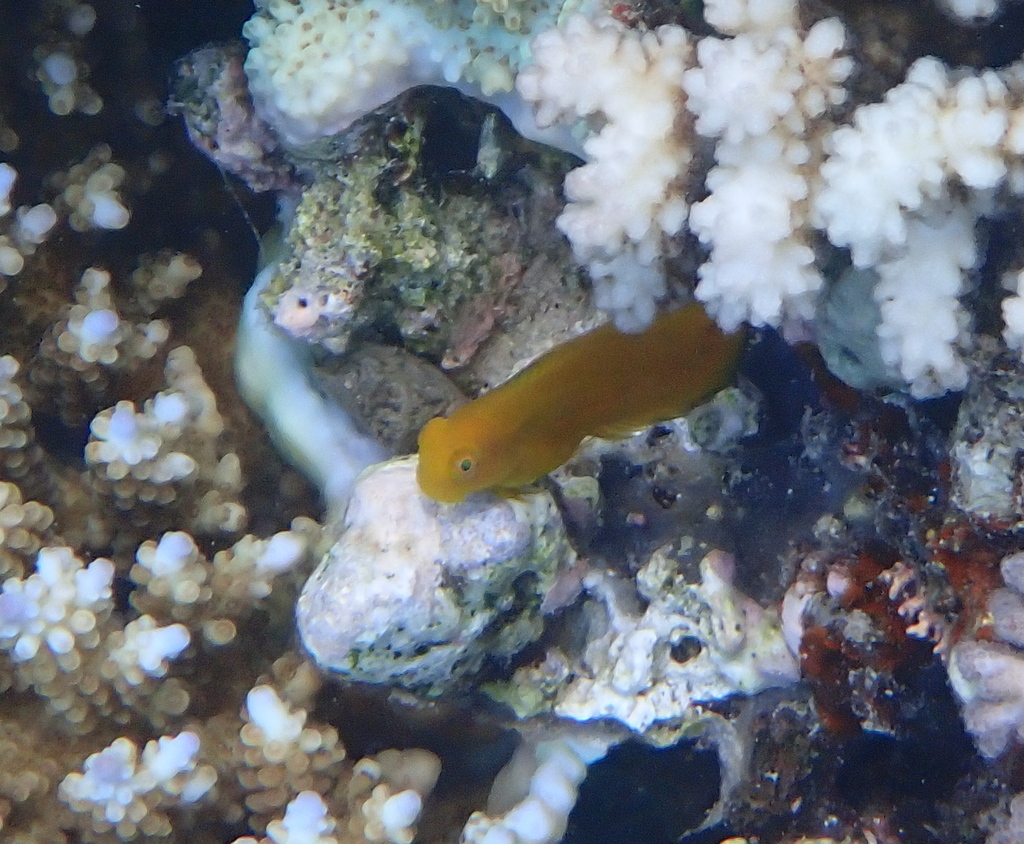
Dusky blenny
Family Blenniidae
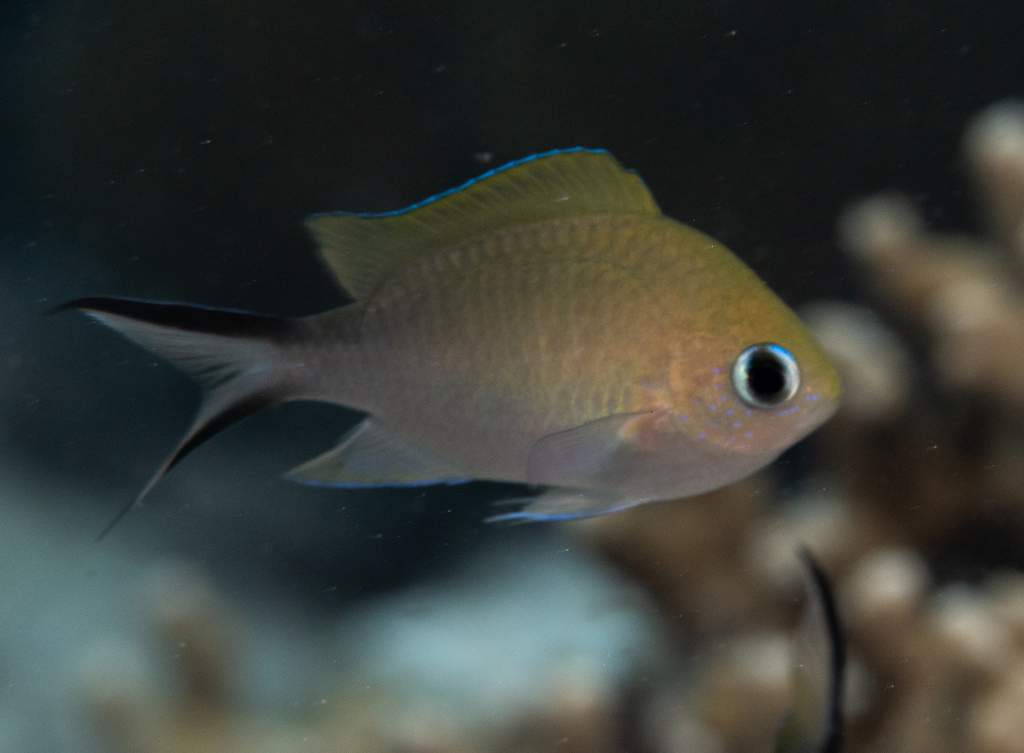
Ternate Chromis
Family Pomacentridae

Azure Demoiselle
Family Pomacentridae

Exquisite Wrasse
Family Labridae
5 things every beginner should know
Bigger is easier. 30–40 gallon tanks are more forgiving than 10–20.
Use RO/DI water. Tap water will fight you forever.
Quarantine every fish. The boring habit that saves your tank.
Don't add livestock until your tank is fully cycled (3–6 weeks).
Stable beats perfect. A consistent parameter beats a chased one.
Frequently asked questions
How much does a saltwater tank cost to start?
A starter setup that does the basics well runs $500–800. That covers tank, light, return pump, heater, salt, RO/DI water, and test kits. Livestock adds $200–500 for the first six months of stocking.
How long does it take to set up a saltwater tank?
Setup is one weekend. Cycling — the bacterial colonization that makes the tank safe for fish — takes 3–6 weeks. Plan on a month before your first fish.
What's the smallest saltwater tank I can keep?
Practical minimum is 20 gallons. Smaller is harder, not easier — water parameters swing faster in less volume. 30–40 gallons is a much more forgiving size.
Do I need an anemone for a clownfish?
No. Captive-bred clownfish do not require anemones and most never see one. Anemones are advanced animals and a common, expensive beginner mistake.
Can I use tap water?
No. Tap water contains chlorine, chloramines, phosphates, and silicates that fuel algae and stress livestock. RO/DI water is non-negotiable for a healthy reef.

Don't miss the next guide.
One email a week. New guides, fresh species, ocean news worth your time. Cancel anytime.