
Species database
Every species, with the details that actually matter.
Tank size, care level, water parameters, temperament, reef-compatibility, and feeding — all in one place. Filter to find the right species for your tank.
12 species found
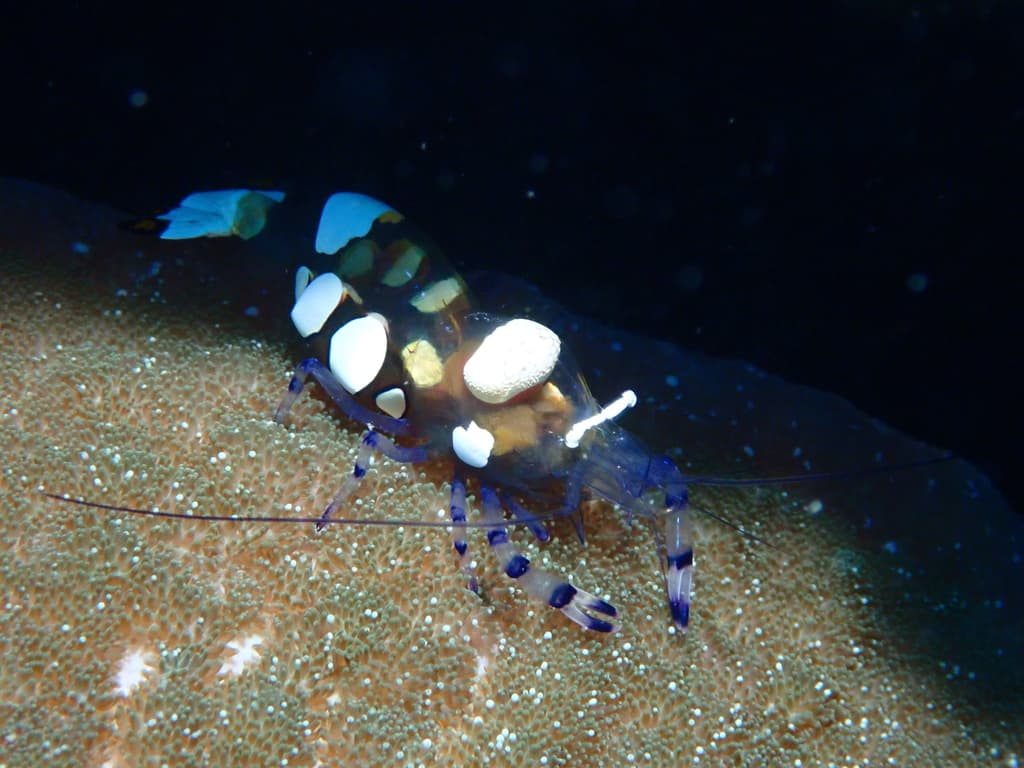
Peacock-tail Anemone Shrimp
Family Palaemonidae
Peacock-tail anemone shrimp lives commensally inside large host anemones, picking through tentacles. Peaceful and reef-safe, but only thrives when there's a healthy host in the tank. Skip if you don't already keep anemones.
Min tank: 10 gal
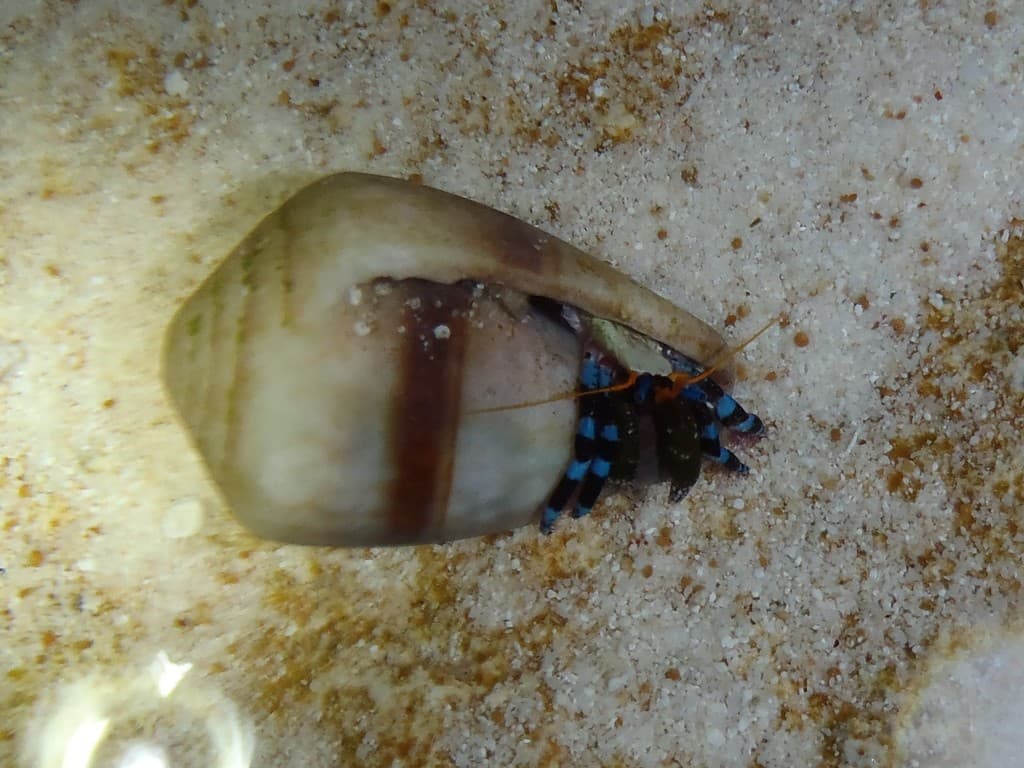
Electric Blue Hermit Crab
Family Diogenidae
Electric blue hermit crab — vivid cobalt legs on a small reef-safe scavenger. Eats algae and leftover food. Will fight over shells with other hermits and occasionally murder snails for theirs, so keep spare shells available.
Min tank: 10 gal
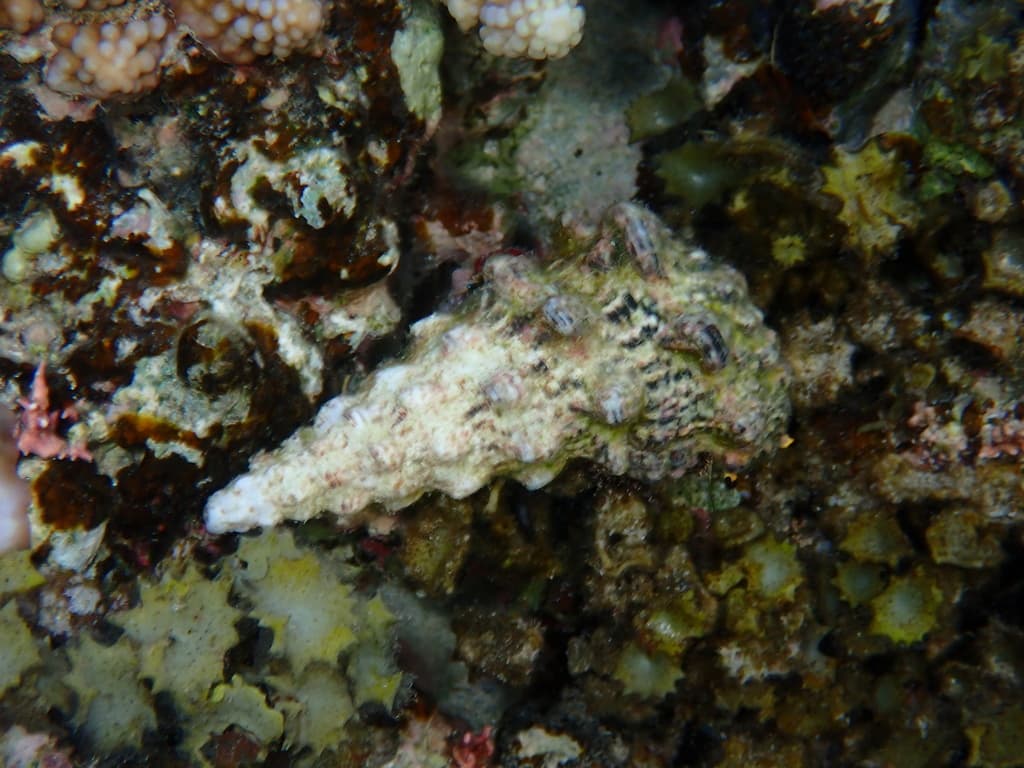
Giant Nodulose Creeper
Family Cerithiidae
Large cerith snail and one of the most underrated cleanup-crew members — it works the sand bed, the glass, and rockwork equally, eating detritus and film algae. Stack a few in mid-sized reefs and forget about them.
Min tank: 10 gal
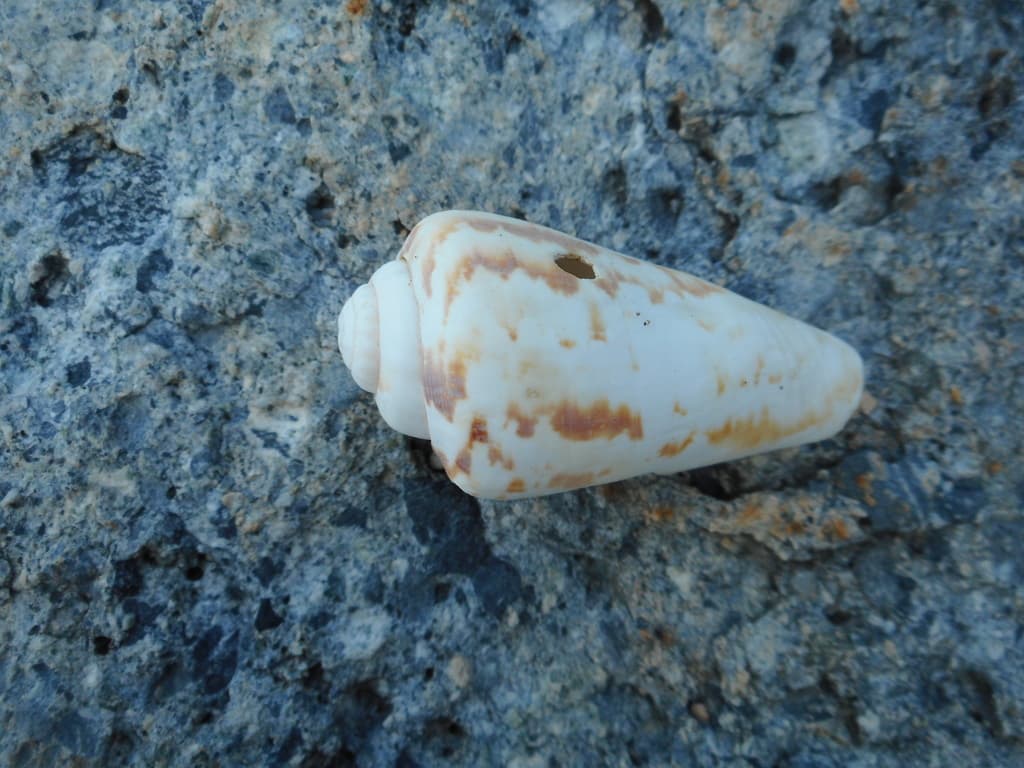
Strawberry Conch
Family Strombidae
Strawberry conch — a peaceful, slow-moving sand-sifter that keeps the top inch of substrate aerated and free of nuisance algae. Reef-safe and works well alongside cleanup crew snails. Needs an actual sand bed (not bare-bottom).
Min tank: 20 gal
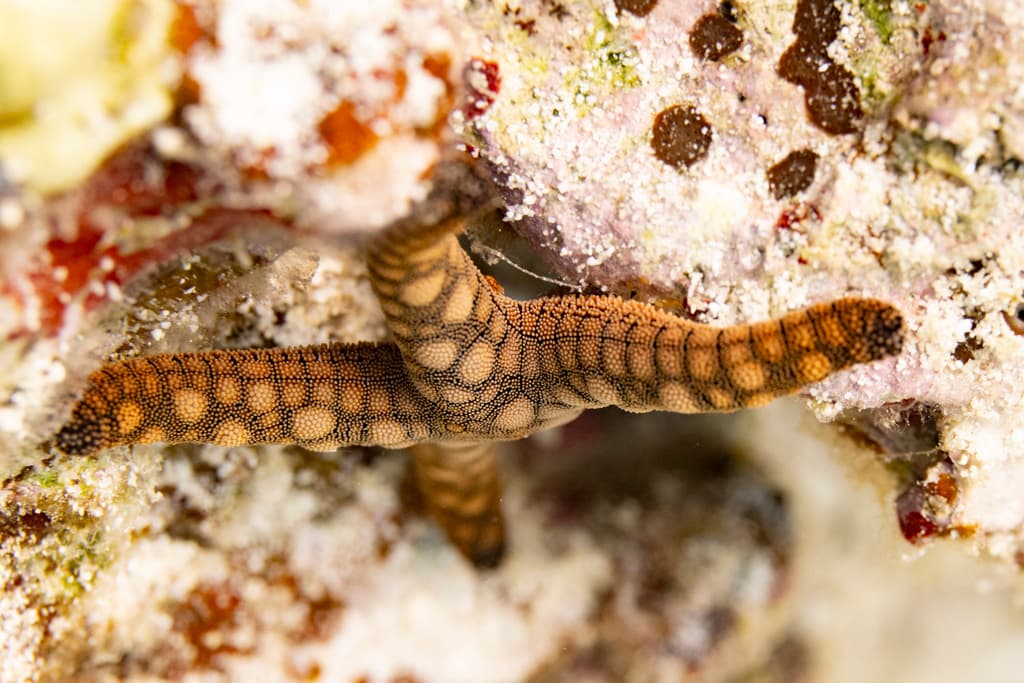
Indian Sea Star
Family Goniasteridae
Indian sea star — vivid red, slow-moving, and pretty. Like most sea stars, it's a slow declining specialist that depends on biofilm and detritus from a mature sand bed. Only attempt in established systems (1+ year old).
Min tank: 50 gal
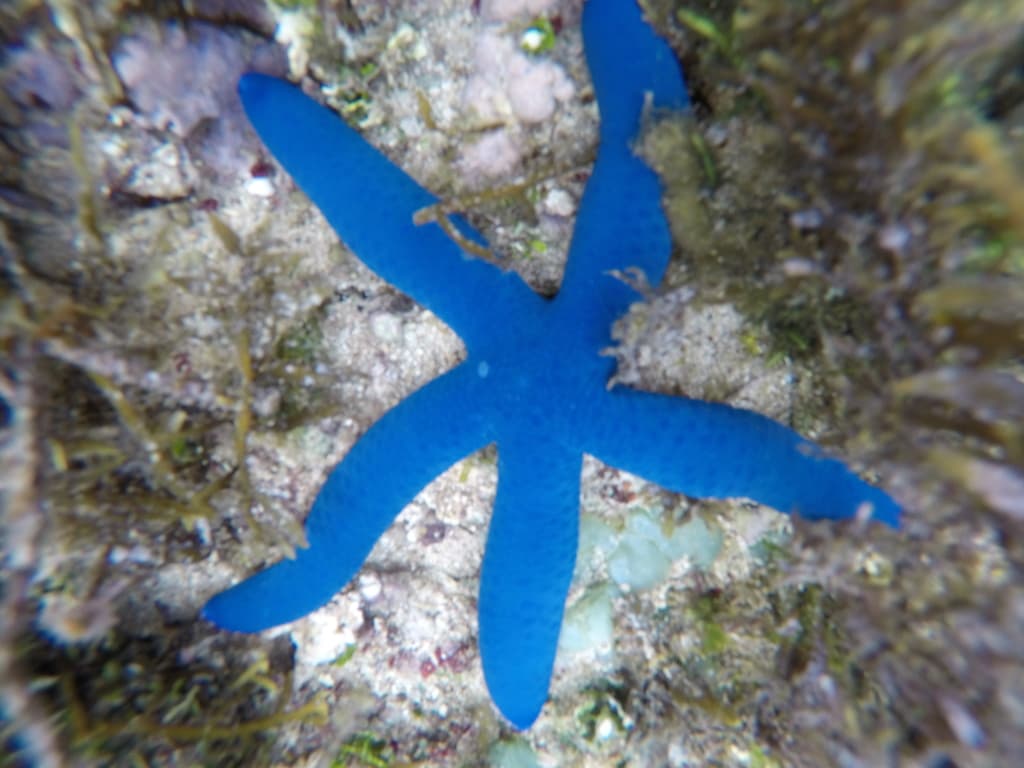
Blue Linckia
Family Ophidiasteridae
The blue Linckia is one of the most photogenic inverts in the hobby and one of the hardest to keep. Most specimens slowly starve over 6–12 months due to undetected nutritional deficiencies. Don't buy unless you can verify long-term sourcing.
Min tank: 75 gal

Skunk Cleaner Shrimp
Family Hippolytidae
Reef-safe, charismatic, and actively cleans parasites off your fish. One of the most rewarding inverts in the hobby.
Min tank: 20 gal
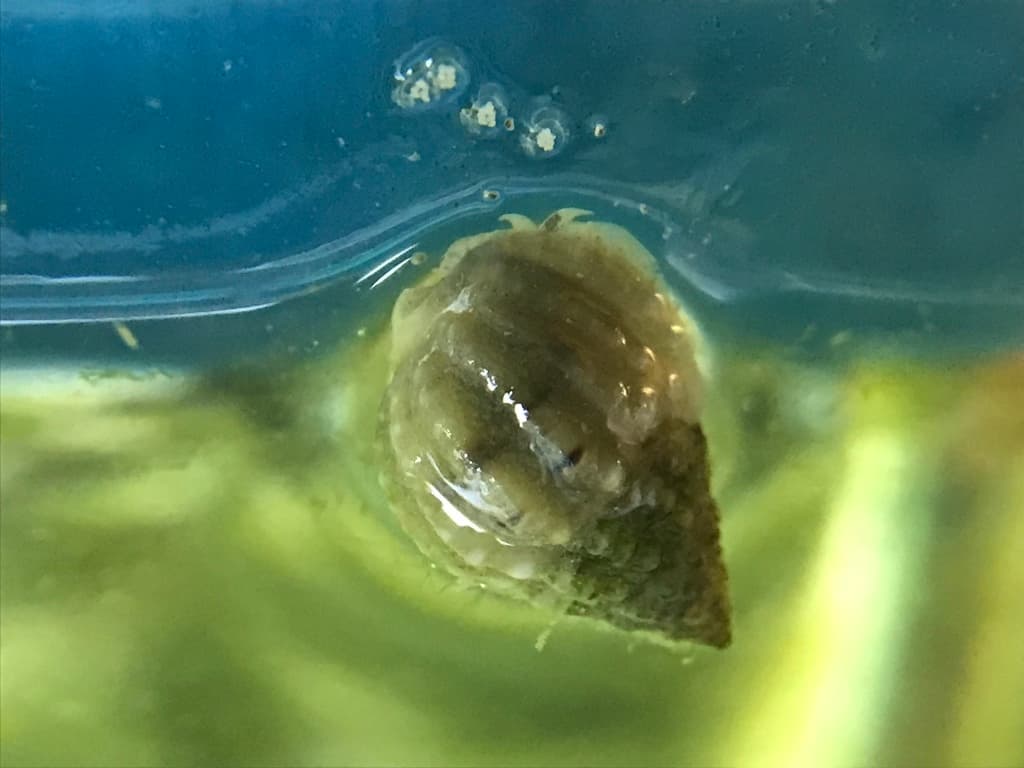
Bruised Nassa
Family Nassariidae
Nassarius snail — buries in the sand and emerges at feeding time like a periscope. Excellent at cleaning up leftover meaty food before it fouls. Reef-safe and one of the most useful cleanup crew members per dollar.
Min tank: 10 gal
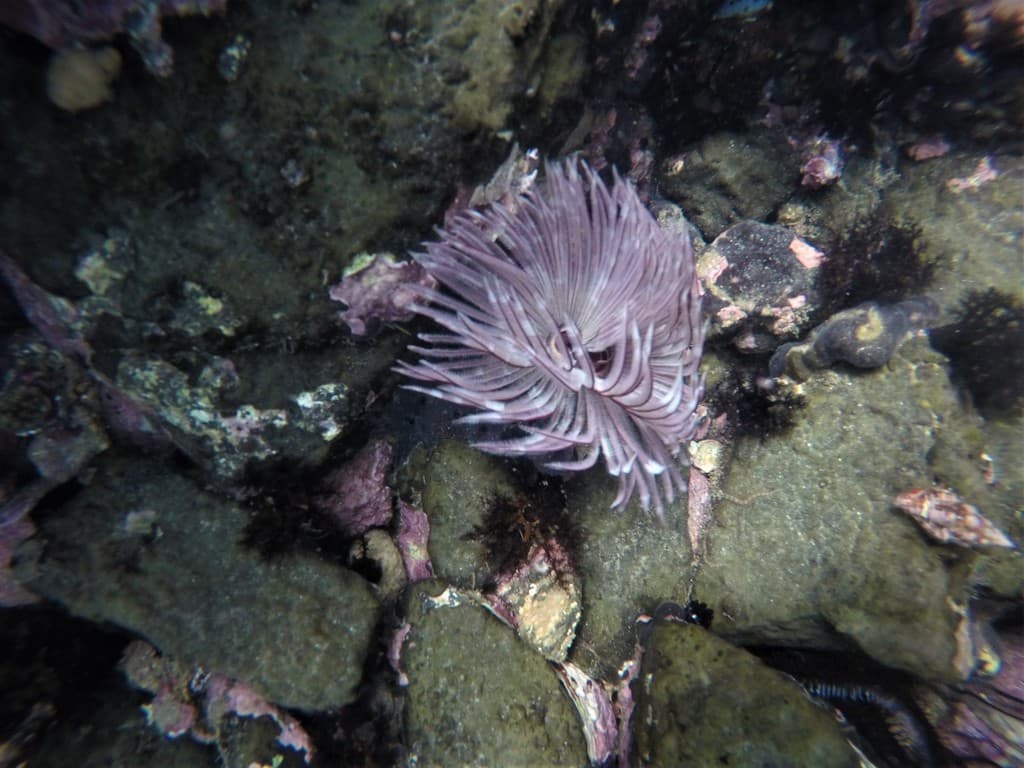
Indian Feather Duster Worm
Family Sabellidae
Indian feather duster — graceful crown of feathery radioles that retract instantly when startled. Filter-feeds on phytoplankton and fine particulate food. Best in mature systems where the tank itself produces enough food.
Min tank: 20 gal
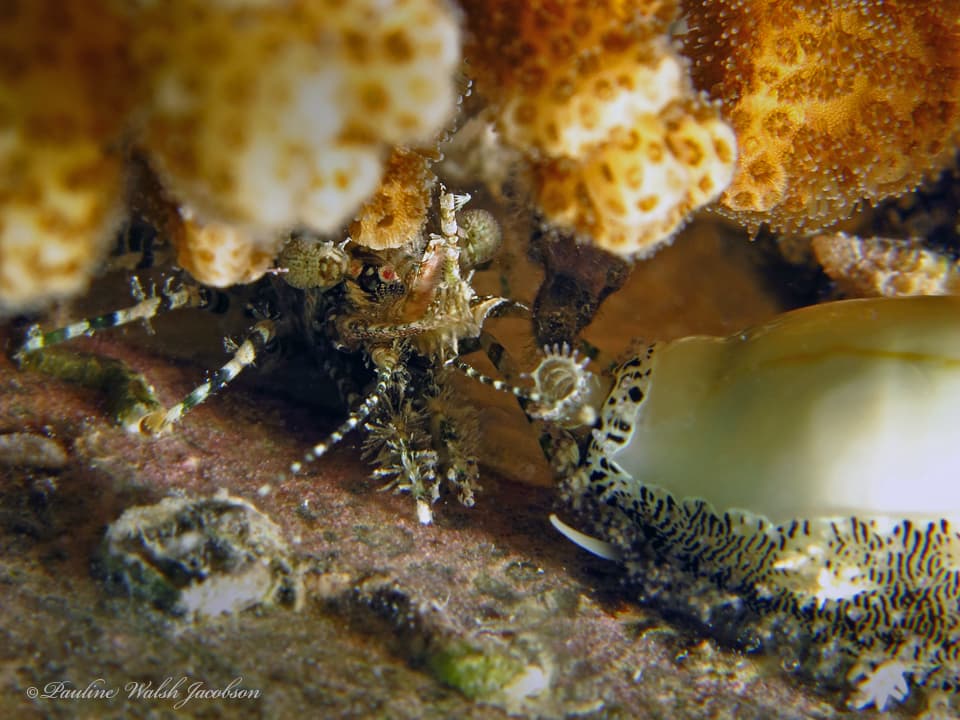
Marbled Shrimp
Family Hippolytidae
Marbled shrimp — nocturnal, camouflaged, and visually striking when you catch one out under blue lights. Reef-safe and peaceful; an unusual alternative to the standard cleaner shrimp lineup for a more naturalistic display.
Min tank: 20 gal
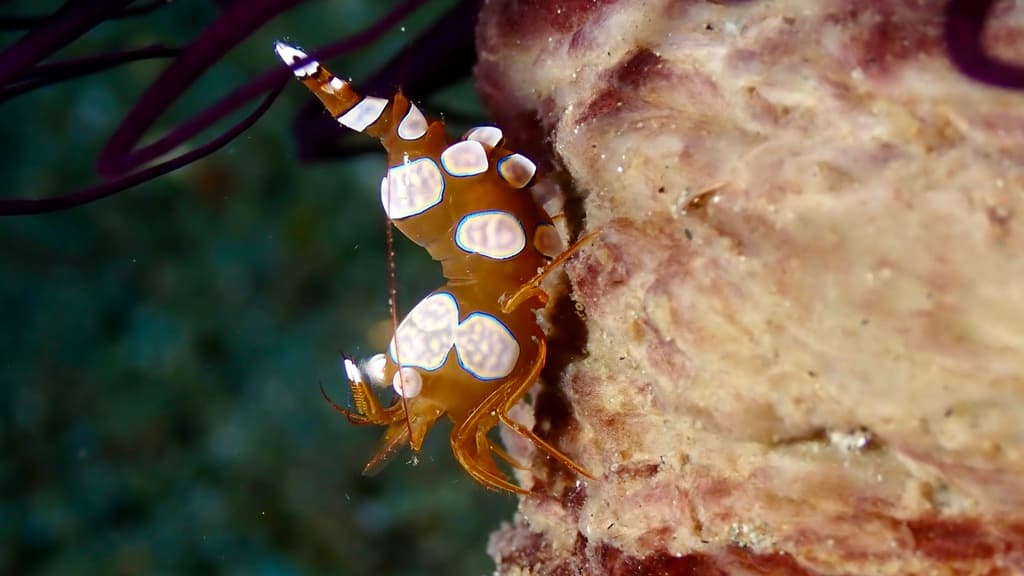
Squat Anemone Shrimp
Family Thoridae
Sexy shrimp — tiny, photogenic, and constantly wiggling its abdomen as if dancing. Lives in groups around anemones or large corals. Peaceful, reef-safe, and beginner-friendly. Best kept in groups of 3+.
Min tank: 10 gal
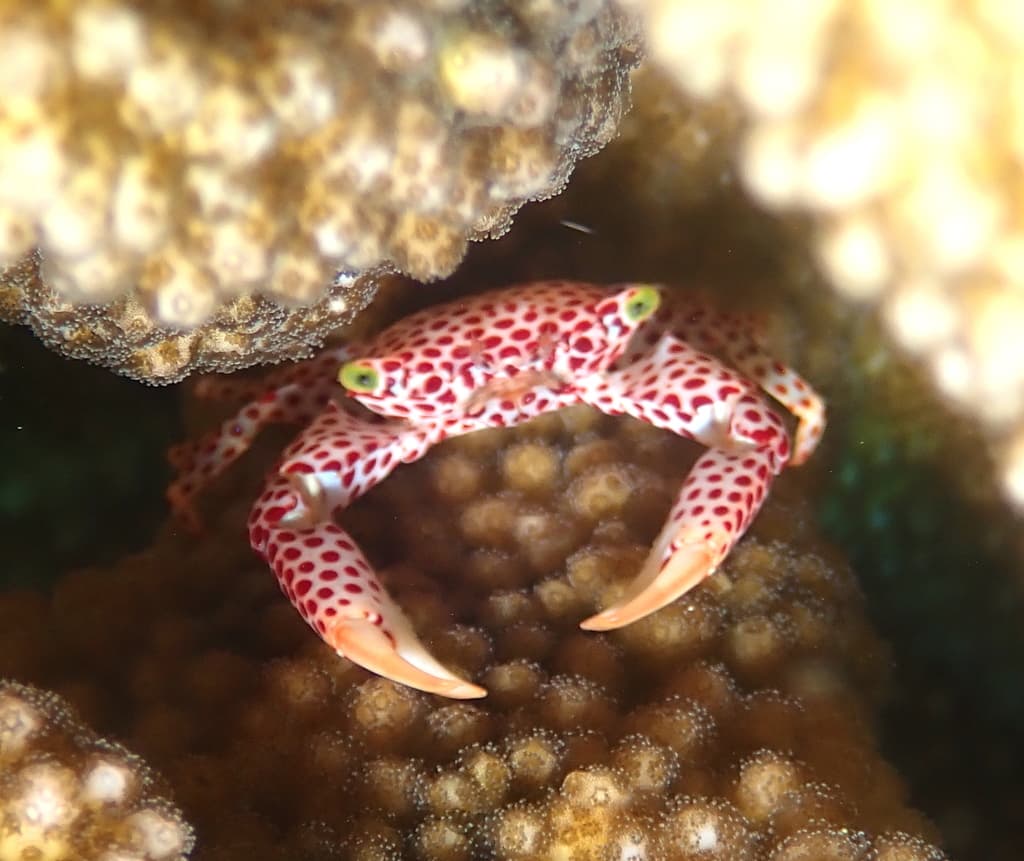
Rust-spotted Guard Crab
Family Trapeziidae
Guard crab — lives commensally inside branching corals (Pocillopora, Acropora) and defends its host from coral predators. A natural pairing for SPS-focused tanks, where its presence actively protects the coral.
Min tank: 10 gal