
Species database
Every species, with the details that actually matter.
Tank size, care level, water parameters, temperament, reef-compatibility, and feeding — all in one place. Filter to find the right species for your tank.
27 species found
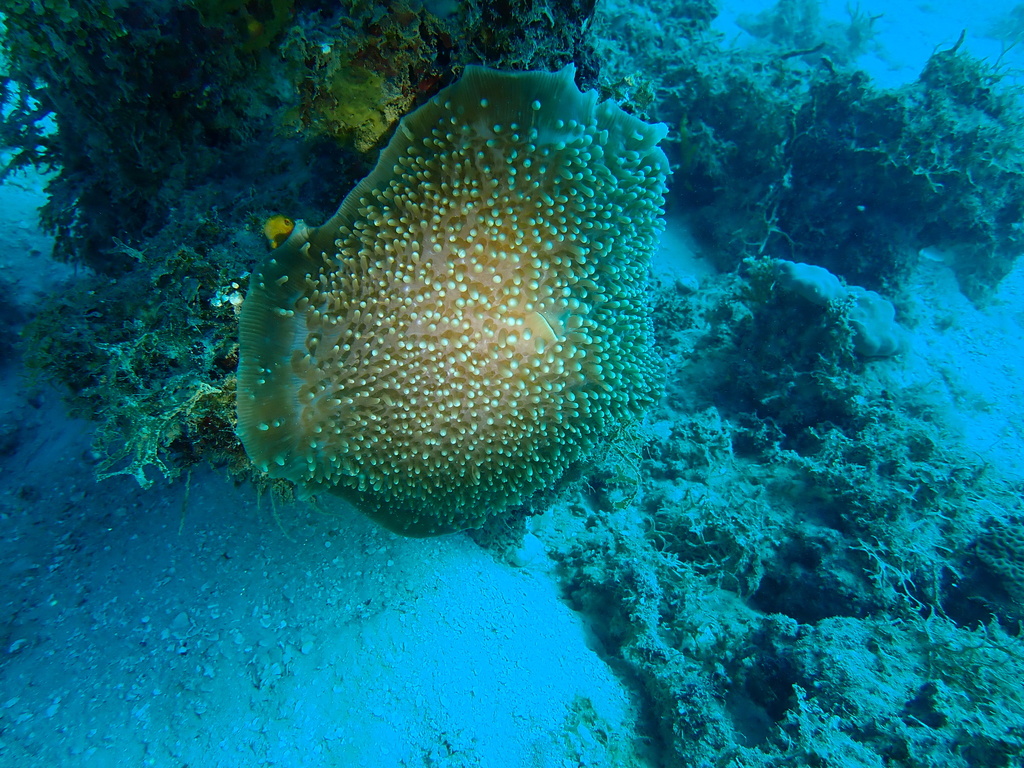
Elephant Ear Anemone
Family Discosomidae
An oversized mushroom that can reach the size of a dinner plate — striking as a centerpiece, but it's a predator. Adult specimens will close around small fish and shrimp; not safe in nano reefs with delicate fauna.
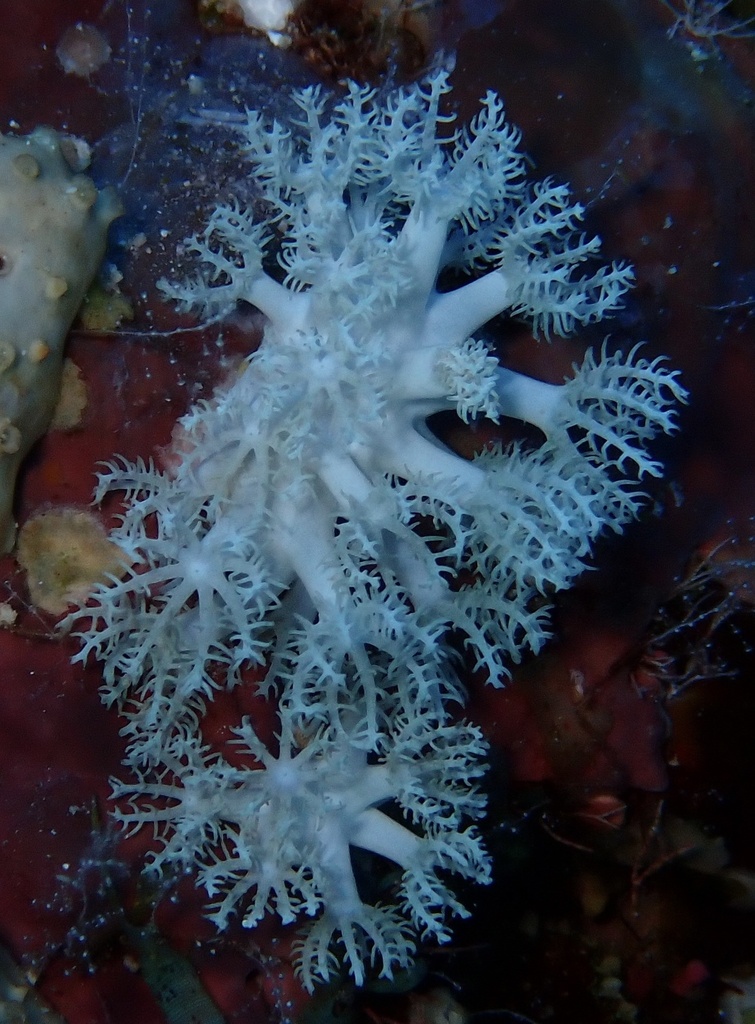
Blue-grey pulse coral
Family Xeniidae
Tall, swaying soft coral that adds constant motion to the tank. Beginner-easy but spreads aggressively across rockwork — best on an isolated frag plug or peninsula away from corals you'd hate to see overgrown.

branched cup coral
Family Plerogyridae
Fleshy LPS with jewel-toned polyps that inflate during the day. Forgiving in low-to-moderate light, no sweepers, and propagates readily. A good step up from mushrooms when you're ready for LPS.
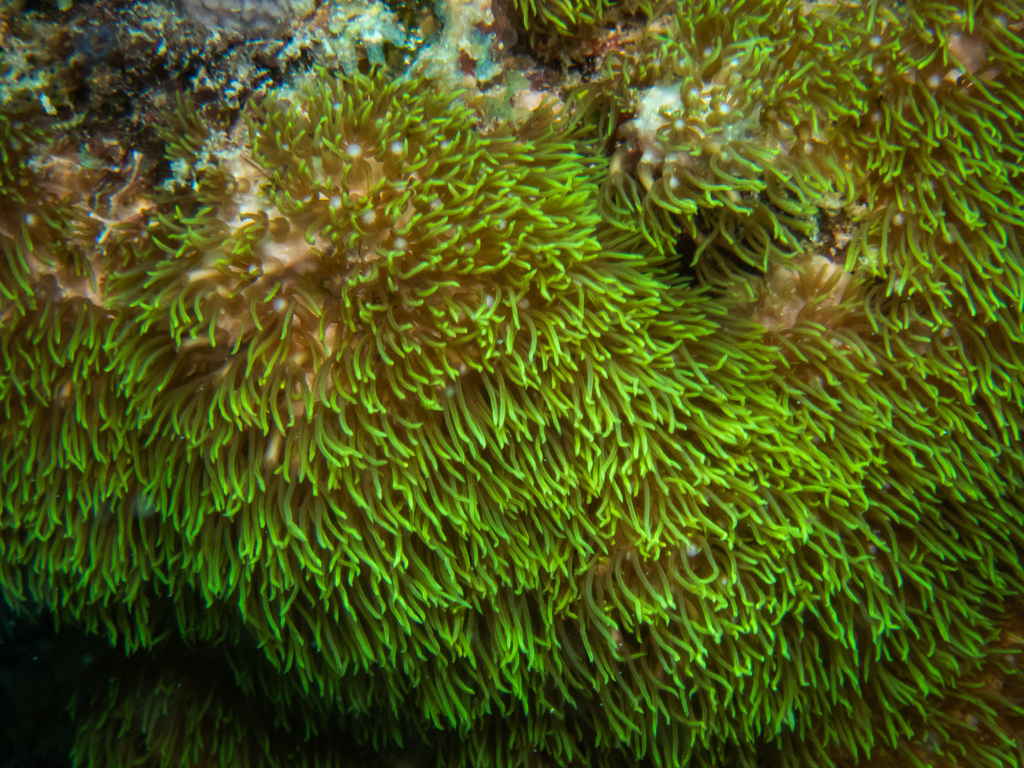
Green Star Polyps
Family Briareidae
Bright green polyps on a purple encrusting mat — the textbook beginner soft coral. Nearly indestructible and flow-responsive. Will overrun anything it touches, so place on an isolated rock from day one.
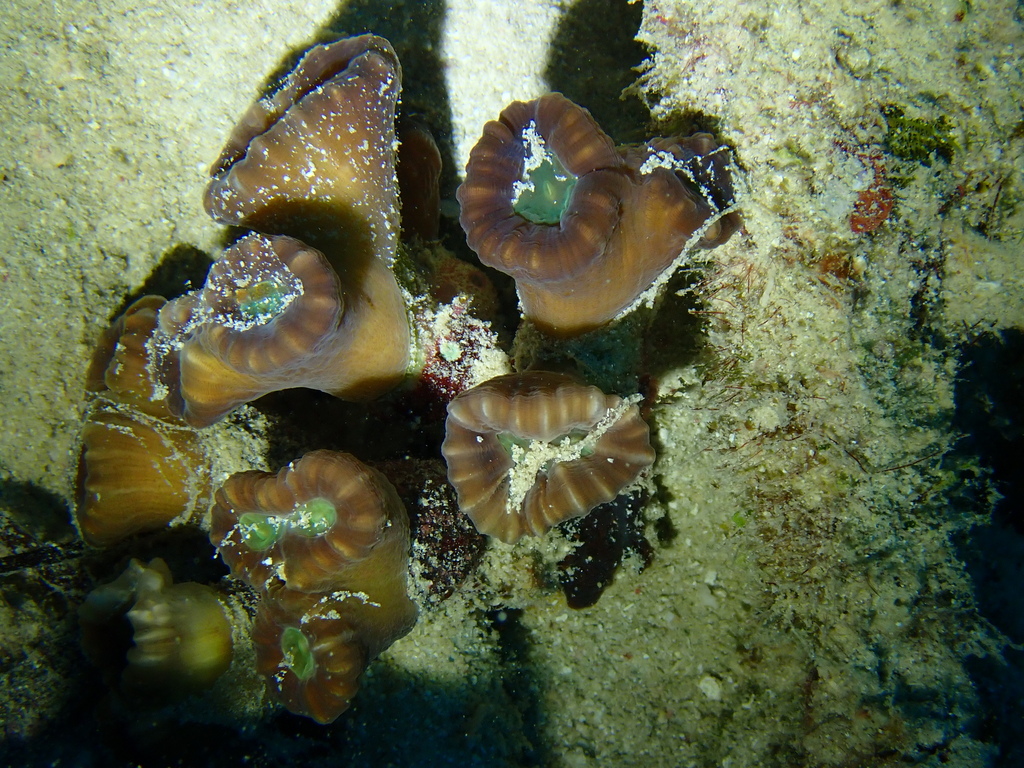
Candy Cane Coral
Family Merulinidae
Caulastraea furcata, also known as the candy cane, trumpet, or bullseye coral, is a species of large stony coral in the family Merulinidae.

Duncan Coral
Family Dendrophylliidae
Forgiving LPS with long, fluffy polyps. Feeds enthusiastically and grows steadily — great first-LPS coral.
Min tank: 20 gal
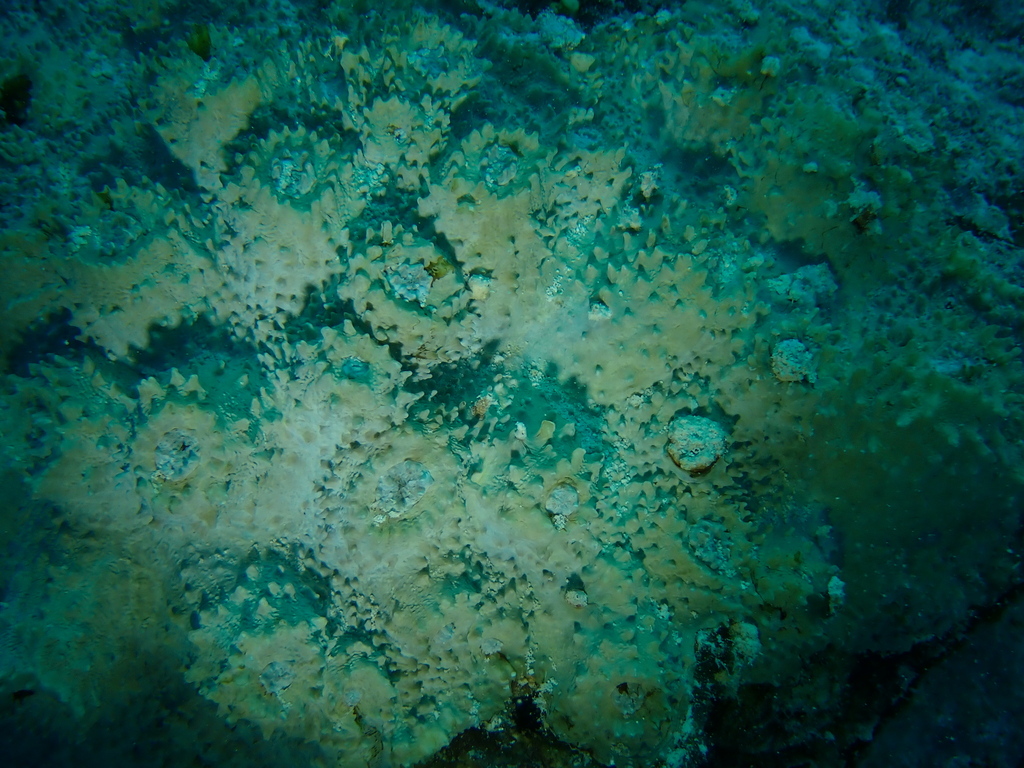
Flat Lettuce Coral
Family Lobophylliidae
The classic chalice coral — encrusting, fluorescent under blue light, and available in a huge range of named morphs. Hardy under moderate light and flow; benefits from occasional target-feeding of small meaty bits.
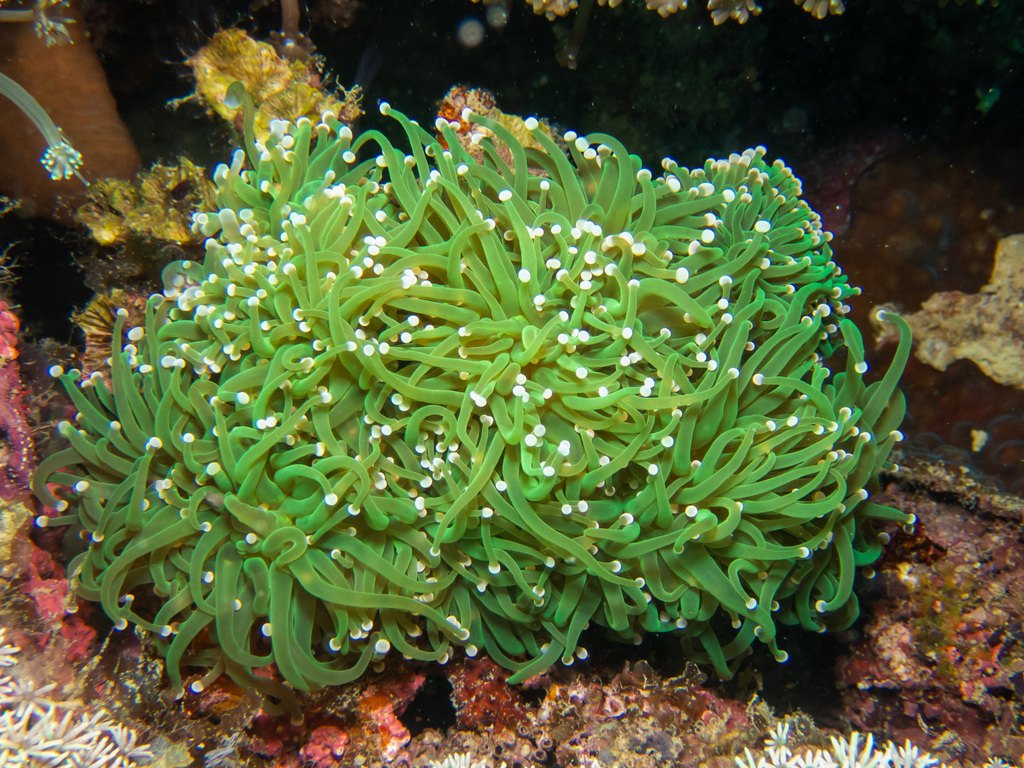
Torch Coral
Family Euphylliidae
Long, flowing tentacles in mesmerizing motion. Stunning centerpiece — but spaces aggressively, and Euphyllia brown jelly disease is a real risk.
Min tank: 30 gal

larger star coral
Family Merulinidae
Encrusting LPS with star-shaped corallites that fluoresce vividly under actinics. Tolerant of variable lighting, but watch the placement — it deploys sweeper tentacles at night and will sting neighbors.

anemone coral
Family Poritidae
Long, flower-like polyps that wave in the current — easily one of the most beautiful corals in the hobby. Historically notorious for slow decline in captivity; modern aquacultured specimens fare much better with stable parameters and target feeding.
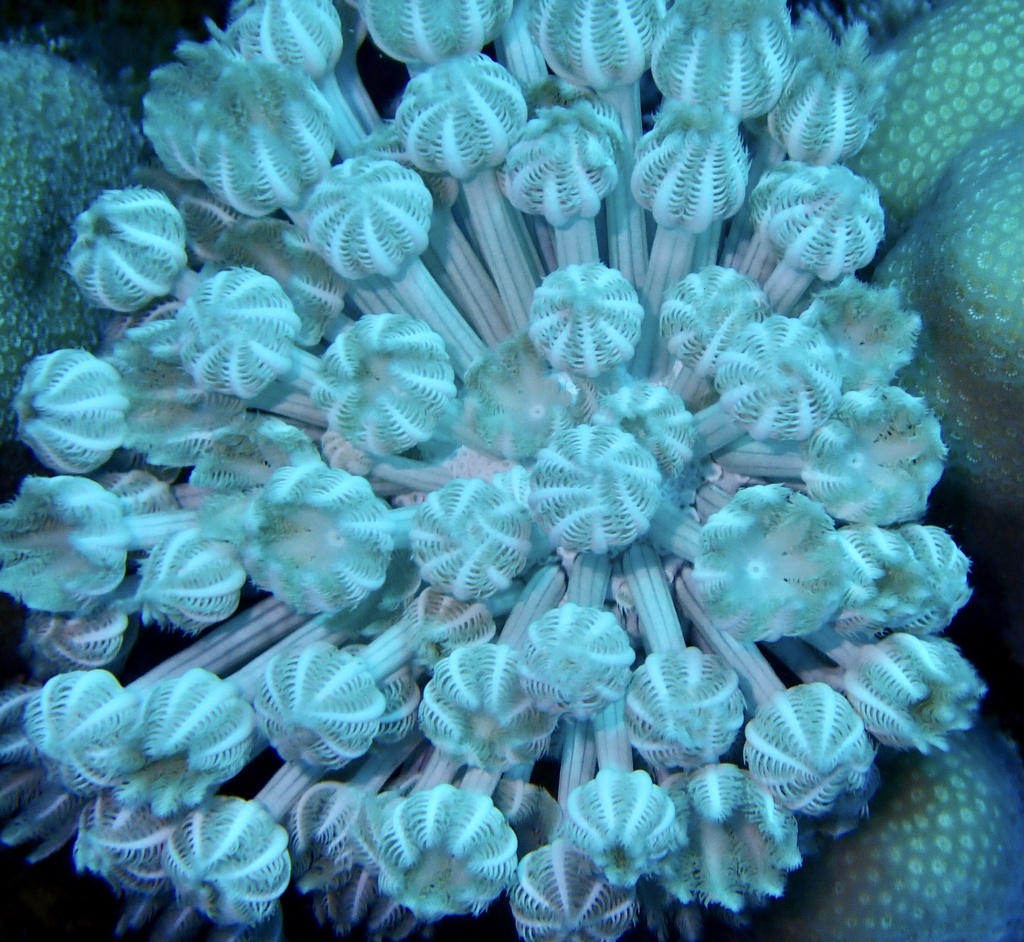
Pulsating Xenid
Family Xeniidae
Soft coral whose polyps visibly pulse open and closed — a hypnotic effect that's a hobby favorite. Easy under moderate flow. Like other Xeniids, it can carpet-spread, so isolate it on its own rockwork.
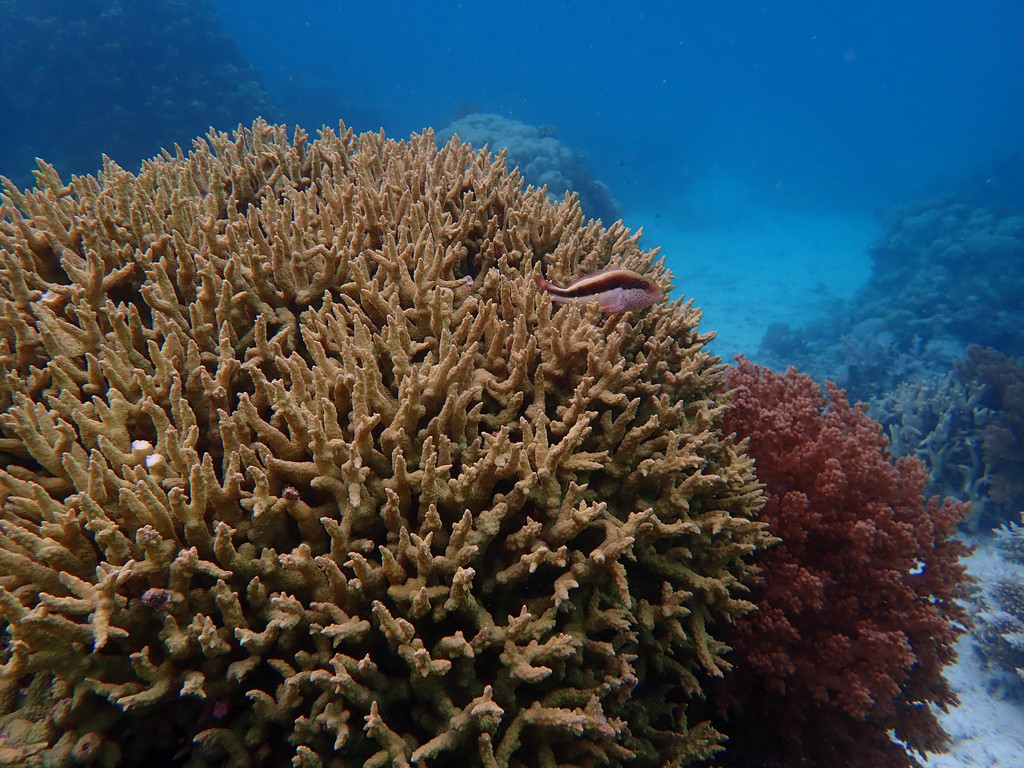
spine coral
Family Merulinidae
Branching SPS-style coral with prominent monticules and intense fluorescence. Hardy and fast-growing, but aggressive: it deploys long sweepers and will chemically warfare nearby corals. Give it real estate.
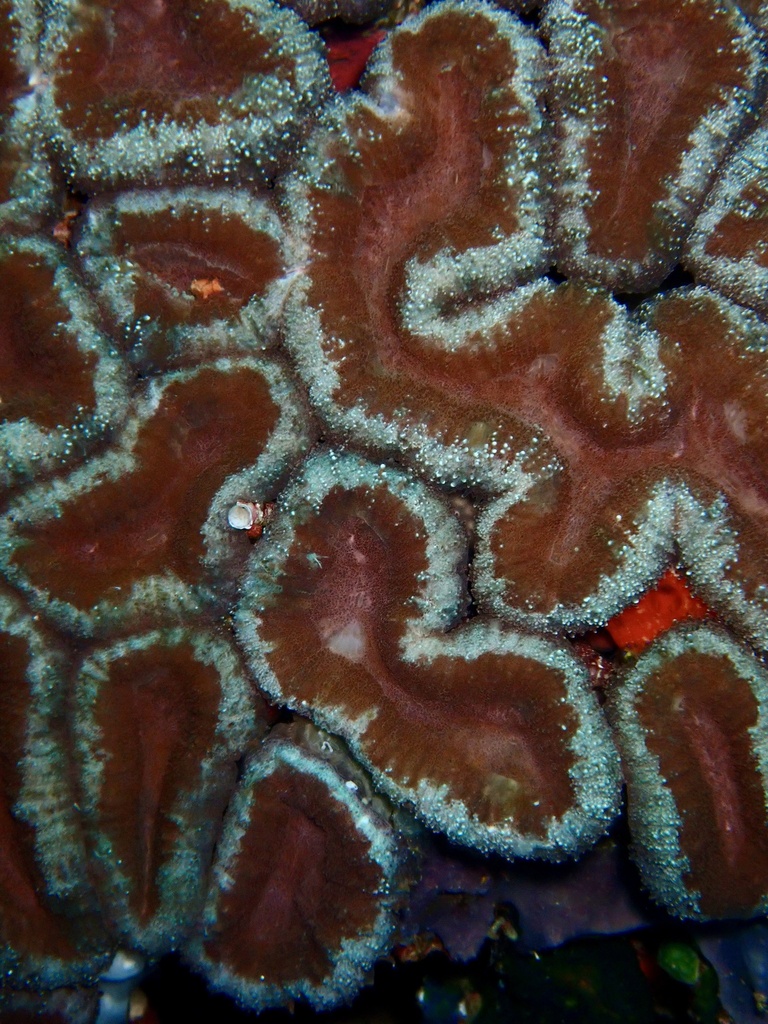
lobed cactus coral
Family Lobophylliidae
Fleshy brain coral with deep folds and vivid coloration — a centerpiece LPS for the sandbed or low rockwork. Modest light, gentle flow, and the occasional target-fed meaty bit keep it thriving.
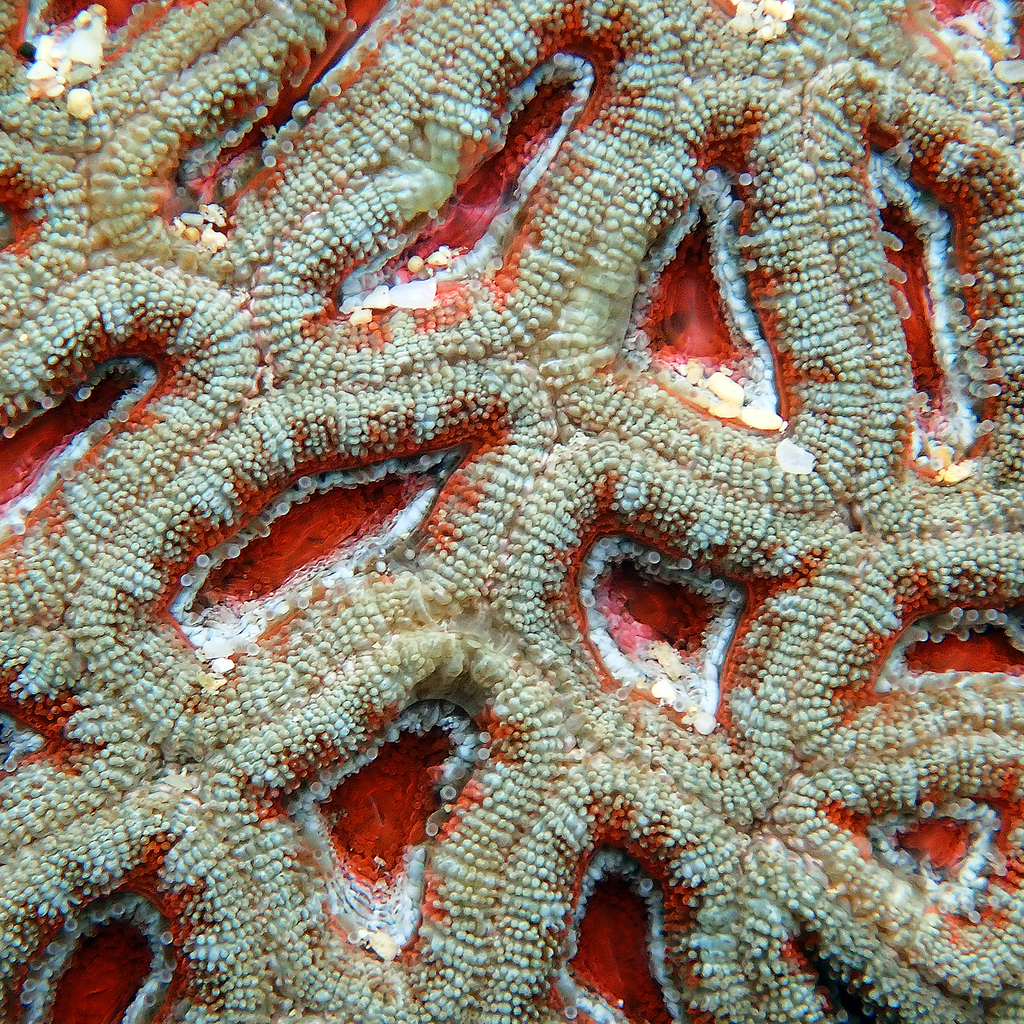
Lord Coral
Family Lobophylliidae
Sold as "Acan Lord" for years, this is the LPS people pay collector prices for. Large fleshy polyps in striking color combinations; loves to be target-fed and rewards feeding with rapid growth on the sandbed.
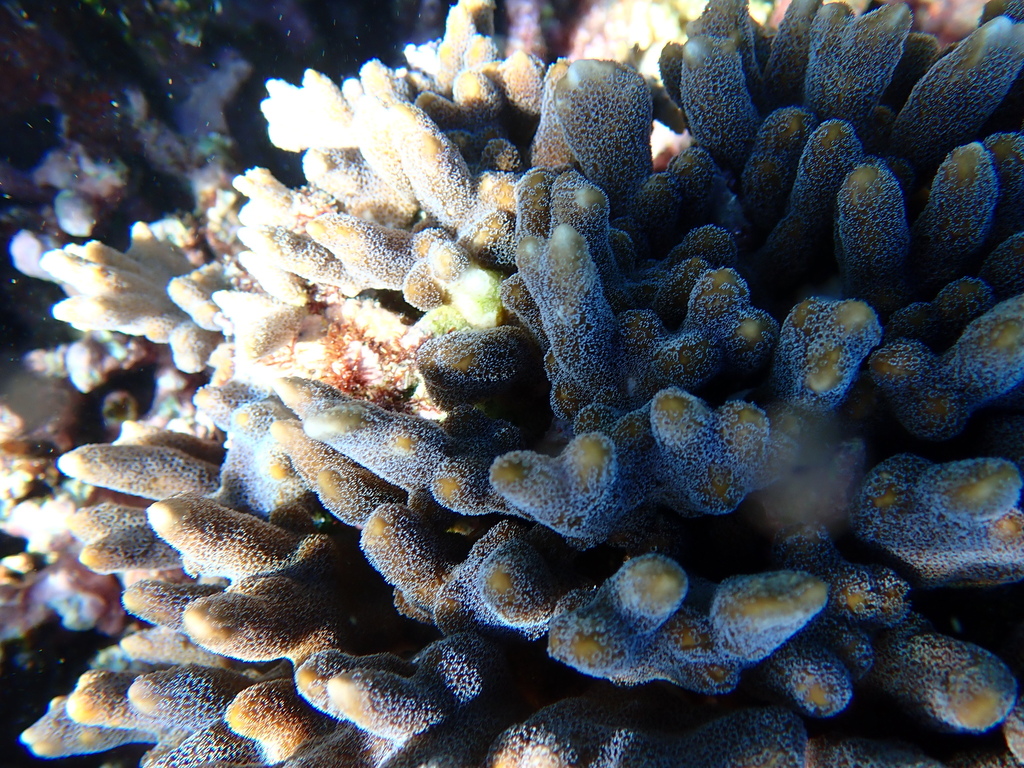
pore coral
Family Acroporidae
Often called the easiest SPS in the hobby. Branching or encrusting growth, forgiving on lighting compared to Acropora, and propagates readily from frags. A reasonable first stony coral for an intermediate reefer.
Green Star Polyps
Family Clavulariidae
Bright green polyps on a purple mat. Nearly indestructible — and a known carpet-spreader. Place on an isolated rock.
Min tank: 10 gal
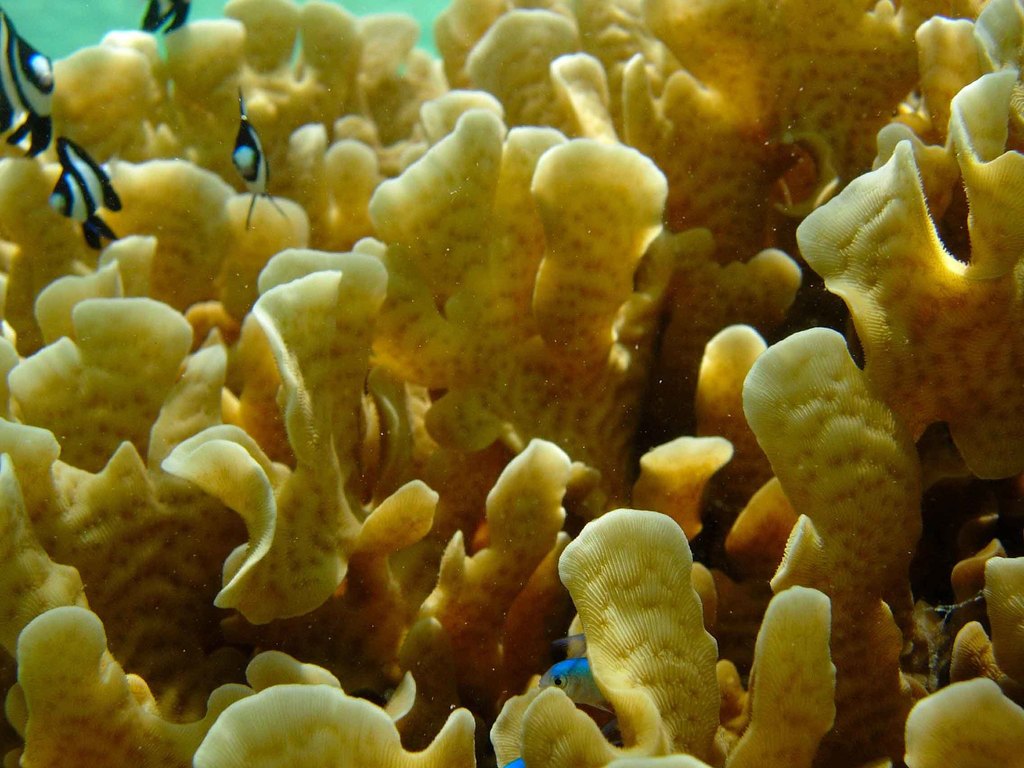
Cactus Coral
Family Agariciidae
Plating and encrusting SPS-like coral with delicate ridges. Tolerant of variable light and flow but slow-growing; works as a backdrop coral filling space behind faster centerpieces.
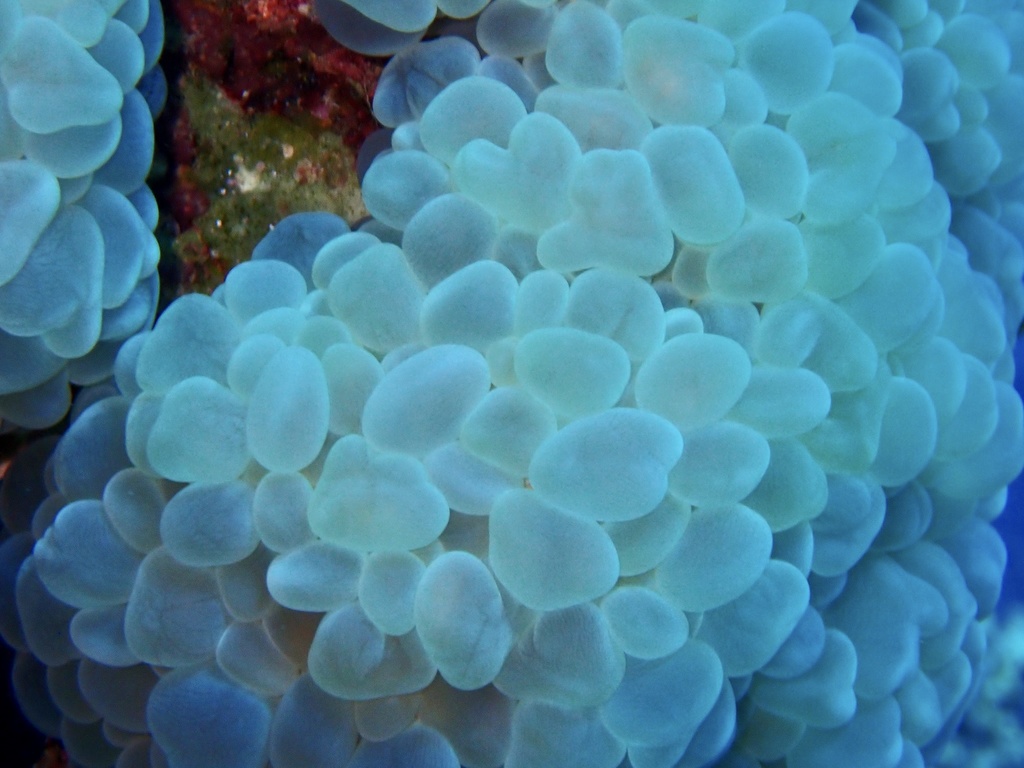
Bubble Coral
Family Plerogyridae
Daytime water-balloons of "bubble" vesicles that deflate at night to reveal stinger tentacles. Striking and surprisingly easy in moderate light, but the sweepers are long — place where neighbors can't be reached.

hump coral
Family Poritidae
Massive boulder-style coral that grows slowly into hemispherical heads. Not common in the home hobby due to size and modest lighting needs being deceptive (it's actually demanding of stability), but a centerpiece if you can grow it.

Green Hairy Mushroom
Family Discosomidae
Hairy mushroom corallimorph in fluorescent greens — almost indestructible and tolerant of low light. A common nano-reef centerpiece and one of the cheapest ways to add a splash of color. Spreads gradually but not invasively.
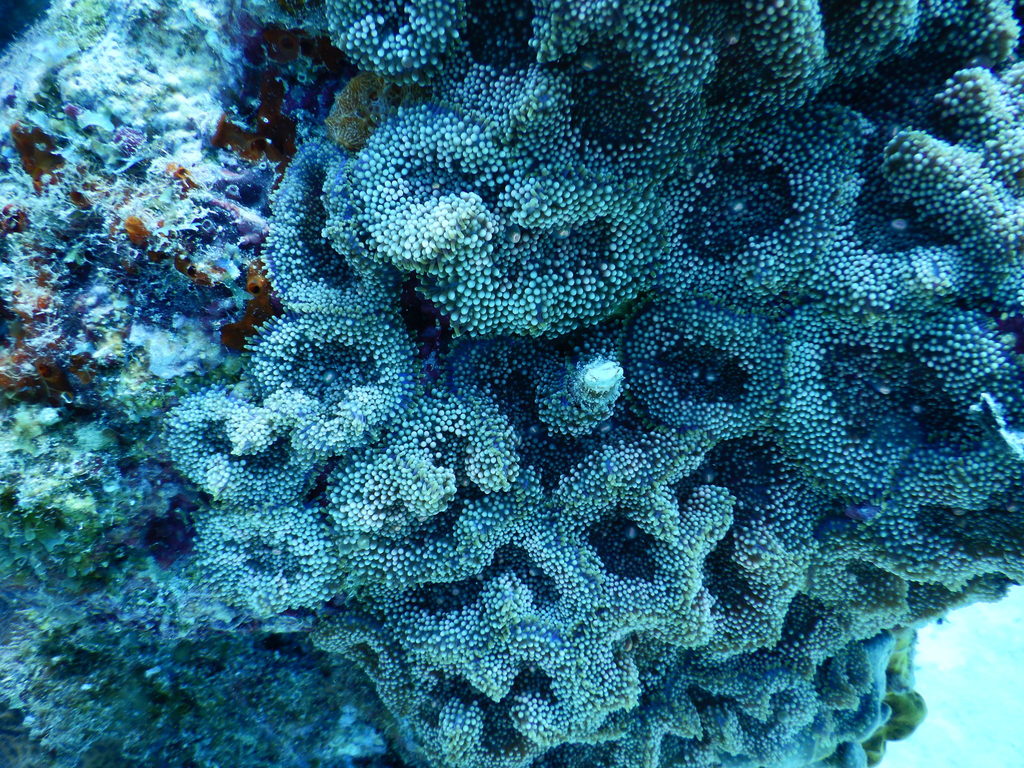
Florida Corallimorph
Family Ricordeidae
Caribbean corallimorph in jewel-toned greens, oranges, and blues. Beginner-friendly, moderate flow, and individual polyps fetch high prices in the rare-color trade. Place on rockwork with stable lighting for best color expression.

Rough Leather Coral
Family Sarcophytidae
Classic toadstool leather coral — large, mushroom-shaped, and effortlessly hardy. Sheds a waxy outer layer periodically (looks alarming but is normal). Releases mild chemical warfare; don't pack other corals tight against it.

Birdsnest Coral
Family Pocilloporidae
Delicate branching SPS in bright pinks and greens — the "birdsnest" name fits the bushy, dense branch structure. Demands stable parameters and strong, turbulent flow. Frags grow out fast in mature systems.
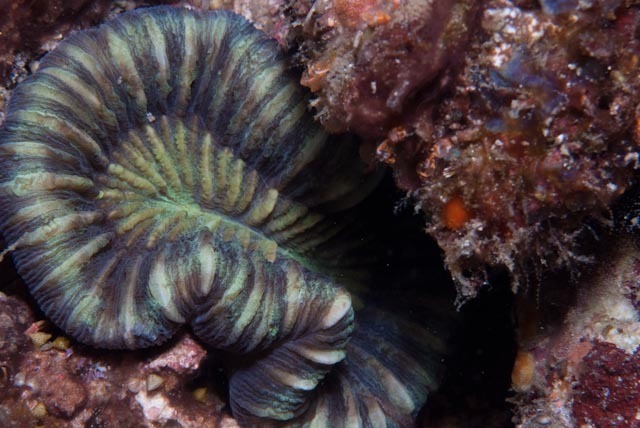
Banana Coral
Family Merulinidae
Free-living "open brain" coral that sits directly on the sandbed. One of the most colorful corals you can keep, and it actively expands its fleshy tissue during the day. Target-feed a small piece of mysis a few times a week.

Umbrella Xenia
Family Xeniidae
Pulsing soft coral that opens and closes its polyps rhythmically — beginner-easy and visually mesmerizing. Like all Xeniids, it spreads invasively; isolate on its own rock or expect it to take over the reef.

Zoanthids
Family Zoanthidae
Colorful button polyps — endlessly collectible. Beginner-friendly with one important warning: handle carefully (palytoxin).
Min tank: 10 gal
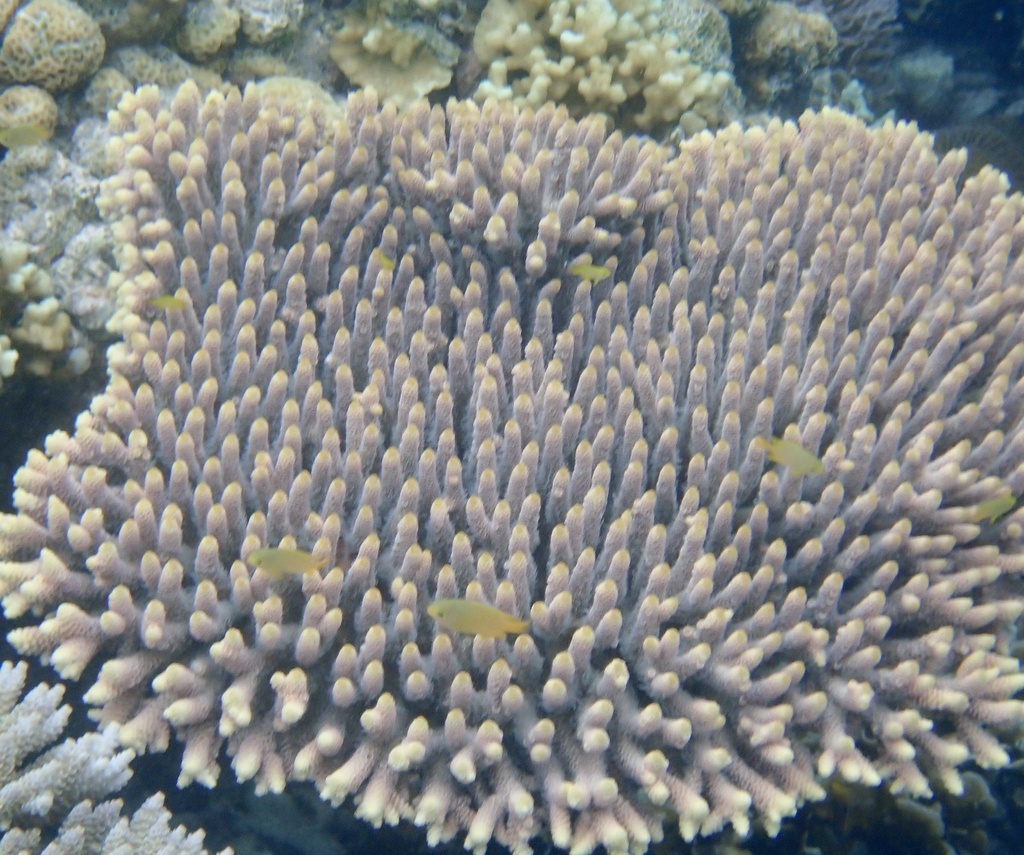
Acropora millepora
Family Acroporidae
Acropora millepora is one of the most widely-kept branching SPS corals, native to the western Indo-Pacific. It grows in dense bushy colonies and exhibits a wide range of color morphs under appropriate lighting and flow.