
Species database
Every species, with the details that actually matter.
Tank size, care level, water parameters, temperament, reef-compatibility, and feeding — all in one place. Filter to find the right species for your tank.
30 species found
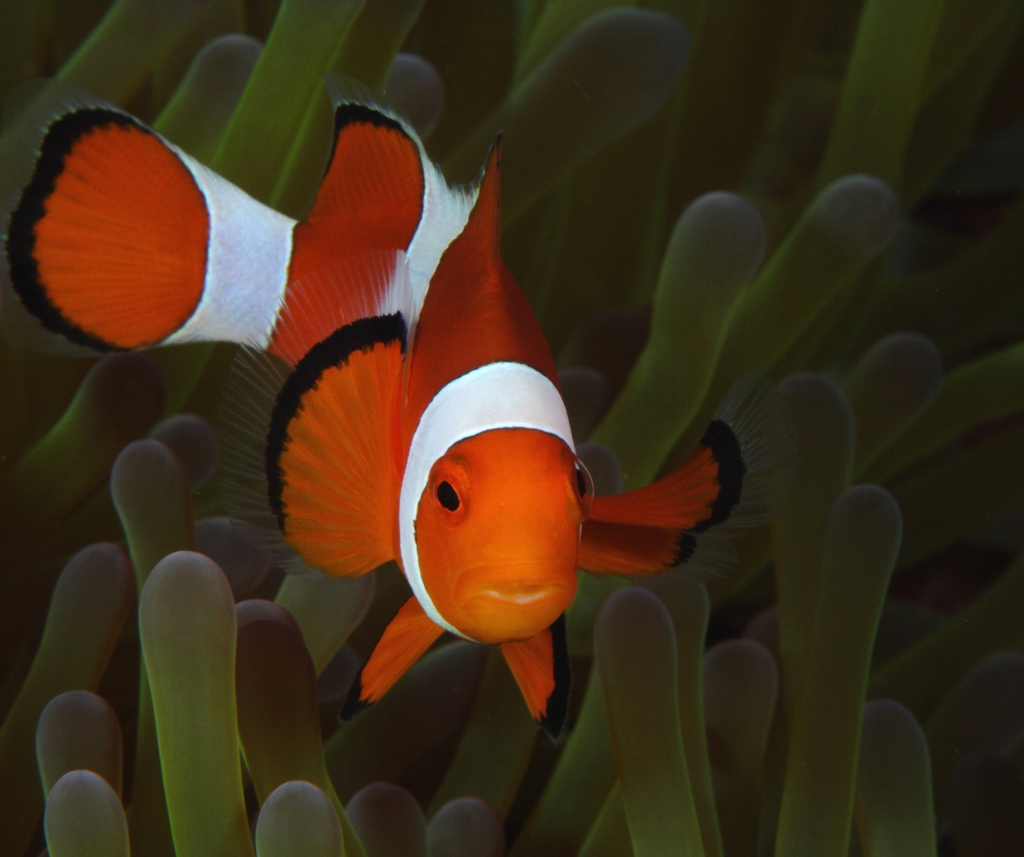
Ocellaris Clownfish
Family Pomacentridae
The classic beginner saltwater fish — hardy, peaceful, and famously bonded to anemones (though anemones are advanced and not required).
Min tank: 20 gal

Psychedelic Wrasse
Family Labridae
Hawaiian-endemic wrasse with intricate red-and-white patterning — a high-value display fish. Like other Anampses, it benefits from a deep sand bed for sleeping and an established system with a healthy copepod population.
Min tank: 70 gal
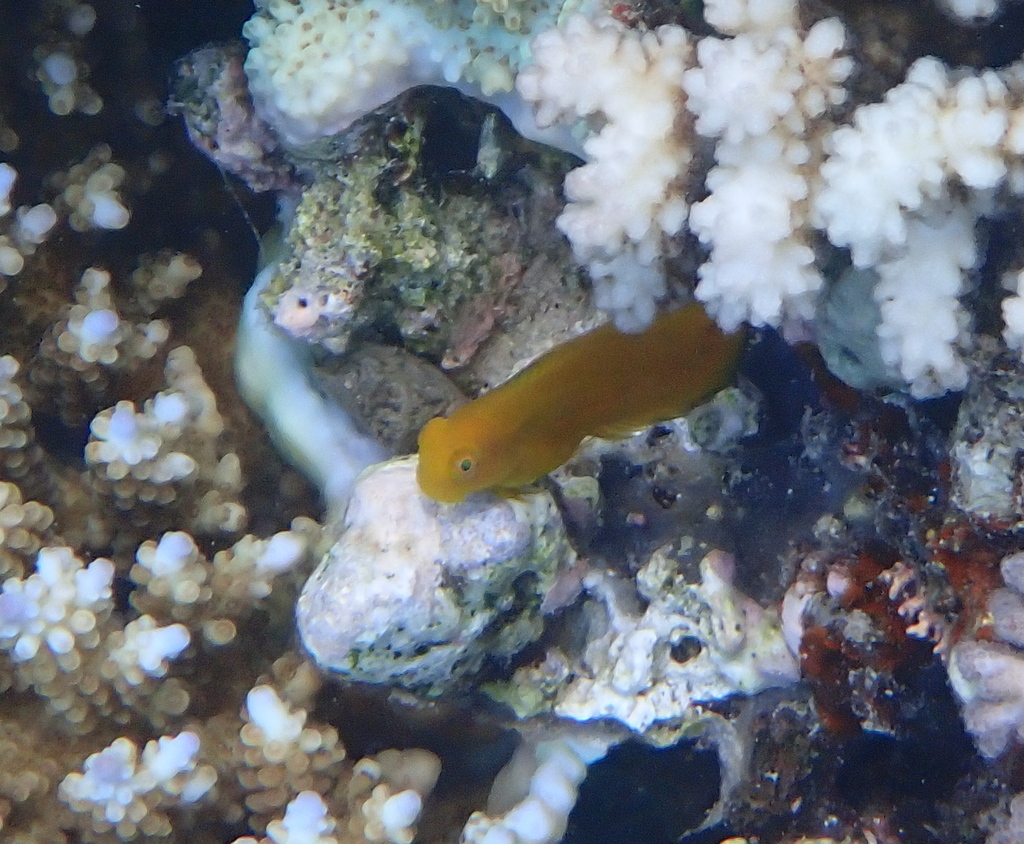
Dusky blenny
Family Blenniidae
Plain-brown blenny that earns its keep eating filamentous algae and perching photogenically on rockwork. Peaceful, hardy, and well-suited to nano and mid-sized reefs. Make sure there's enough algae growth to feed it.
Min tank: 20 gal
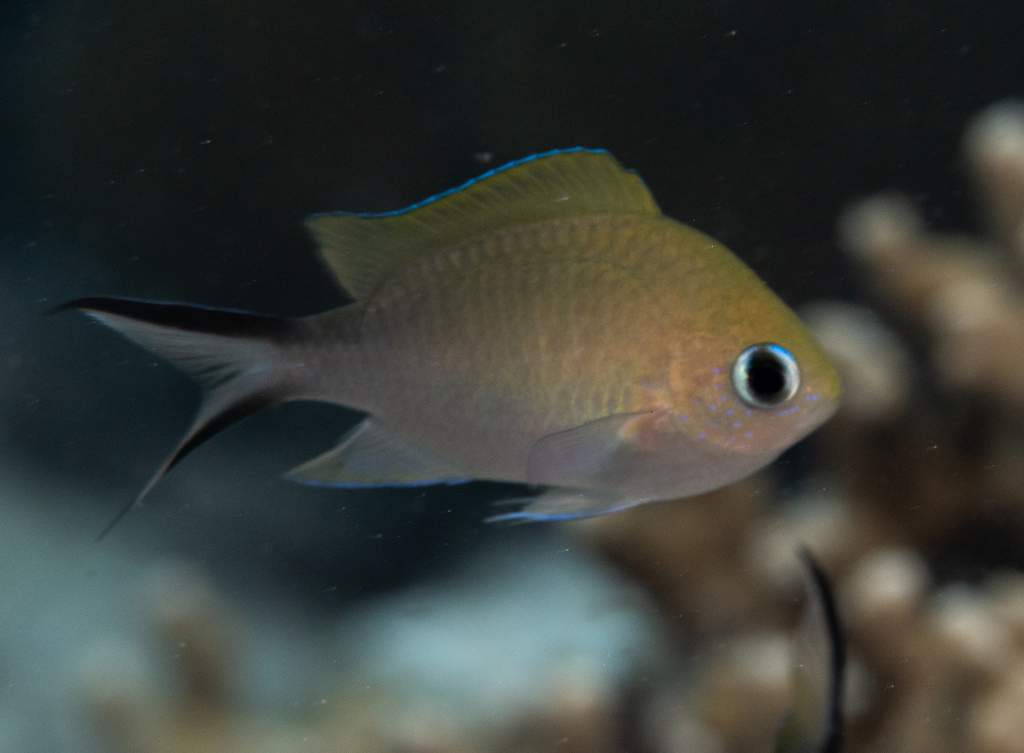
Ternate Chromis
Family Pomacentridae
Schooling damselfish for the open water column — a peaceful counterpoint to the more aggressive blue-green chromis. Hardy and beginner-friendly, but the group will thin itself down to one or two over time.
Min tank: 30 gal

Azure Demoiselle
Family Pomacentridae
Vivid yellow-and-electric-blue damsel — much more peaceful than its reputation suggests, especially in a larger tank with established territory. Beautiful color contrast against rockwork; hardy under nearly any reef conditions.
Min tank: 30 gal

Exquisite Wrasse
Family Labridae
A fairy wrasse with stunning courtship coloration when males display. Active mid-water swimmer that adds constant motion. Like most fairy wrasses, it benefits from a tight-fitting lid — they're enthusiastic jumpers.
Min tank: 30 gal
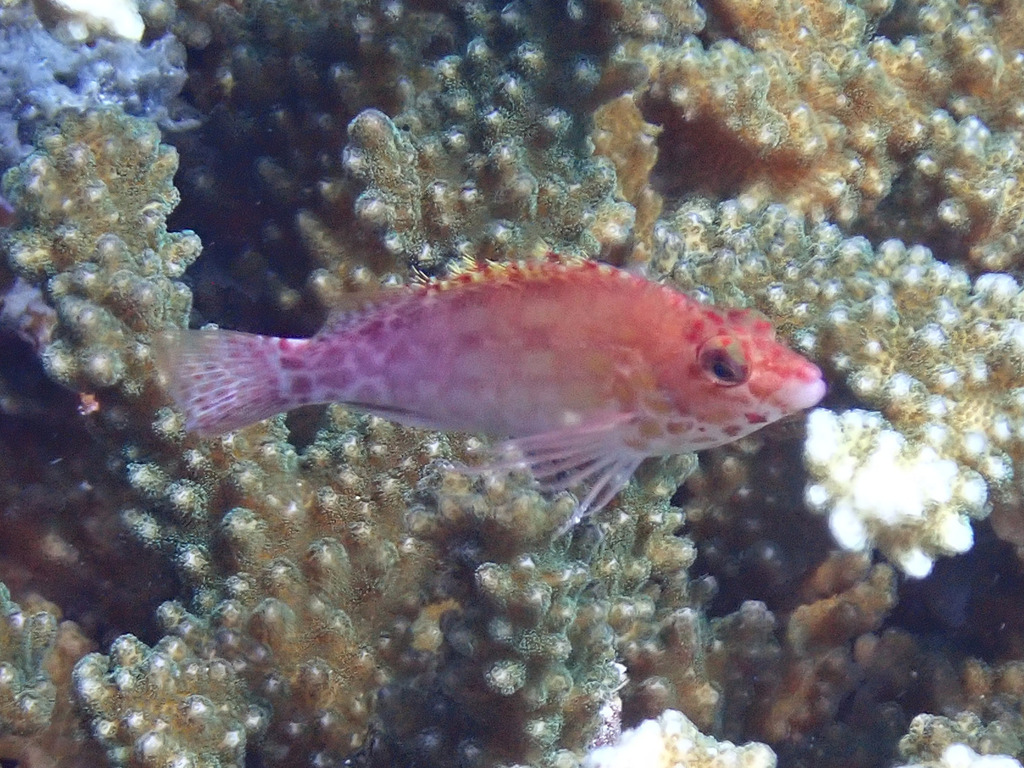
Pixy Hawkfish
Family Cirrhitidae
Hawkfish with a perched, alert posture and reddish blotchy markings. Personality-driven and undemanding — but it considers small ornamental shrimp and tiny fish to be food. Compatible with most reef inhabitants over 2 inches.
Min tank: 30 gal
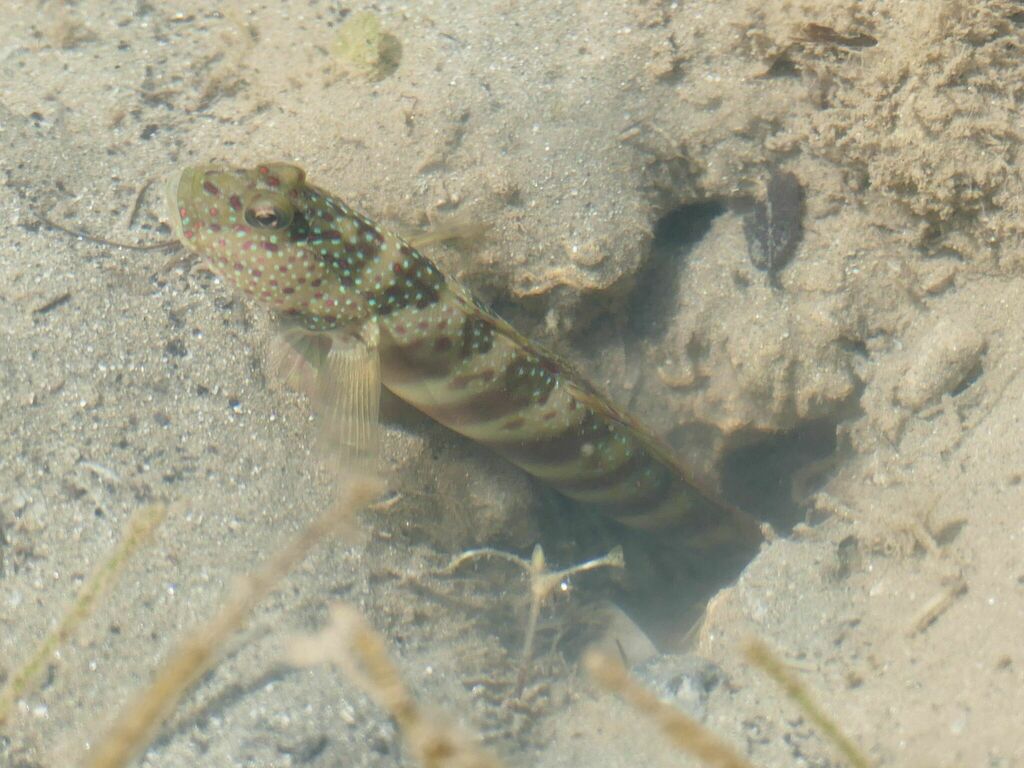
Pinkspot Shrimpgoby
Family Gobiidae
Shrimp goby with a built-in entertainment system: it forms a lifelong commensal pair with a pistol shrimp that digs and maintains a shared burrow. Get the goby and shrimp at the same time for best pairing odds.
Min tank: 20 gal

Goldring Surgeonfish
Family Acanthuridae
Kole tang — arguably the best algae-grazing tang for a mid-sized reef. Constantly working over rockwork picking off film algae and detritus. Hawaii-sourced specimens are sustainably collected and tend to ship better.
Min tank: 55 gal

Midas Combtooth Blenny
Family Blenniidae
Unusual blenny — it swims in mid-water rather than perching, with a lyretail and shimmering gold body. Peaceful, beginner-friendly, and one of the few blennies that integrates well with active swimming tankmates.
Min tank: 20 gal
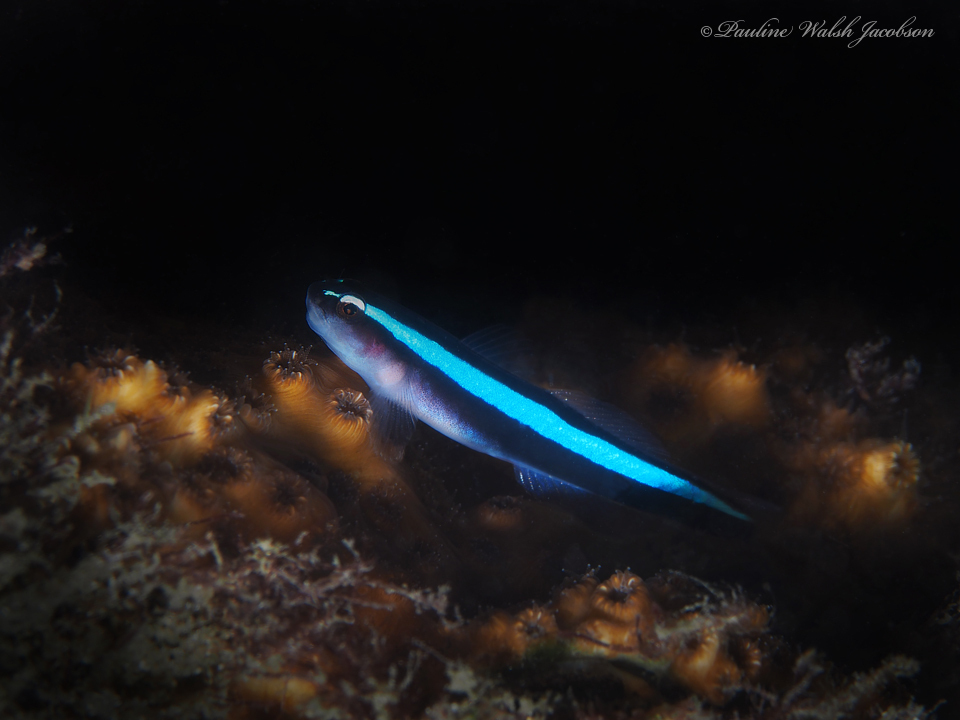
Neon Goby
Family Gobiidae
Tiny Caribbean cleaner goby that sets up cleaning stations and actually picks parasites off larger fish — the captive-bred equivalent of the wild-caught cleaner wrasse, without the ethical concerns. Excellent in pairs.
Min tank: 20 gal

Lemon Coralgoby
Family Gobiidae
Small yellow goby that lives directly inside the branches of Acropora corals — secretes a defensive mucus that other fish learn to avoid. Reef-safe and peaceful; pairs do well in established SPS-friendly systems.
Min tank: 20 gal
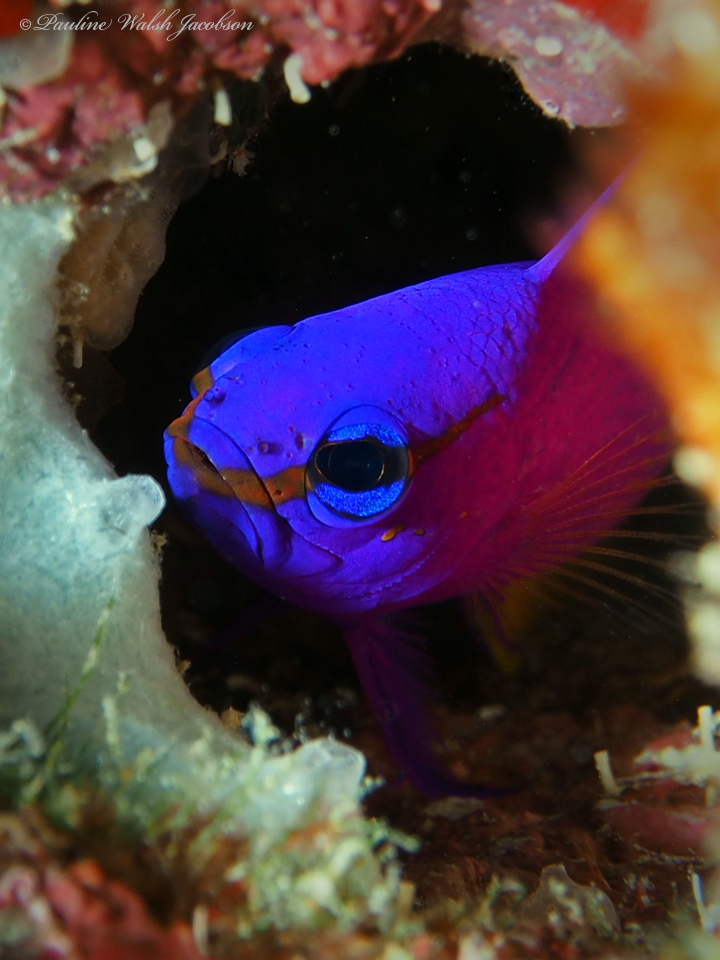
Royal Gramma
Family Grammatidae
Stunning purple-to-yellow gradient. Hardy, peaceful, and one of the most beautiful fish you can keep at this care level.
Min tank: 30 gal
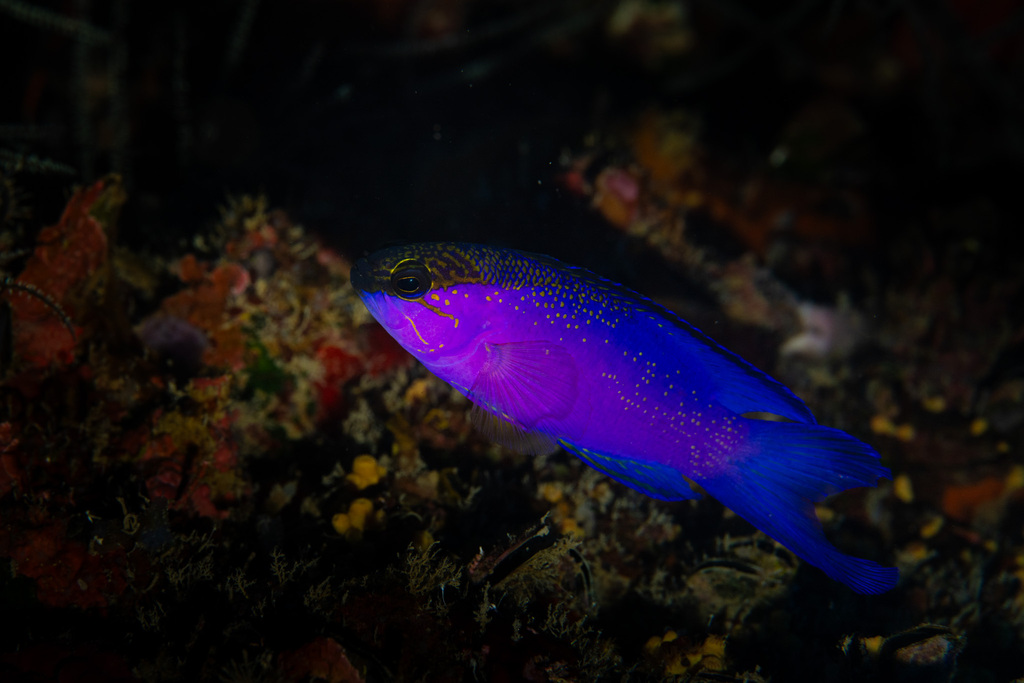
Blackcap Basslet
Family Grammatidae
The blackcap basslet is the deeper-water cousin of the royal gramma — purple body with a sharp black cap. Hangs upside-down under overhangs and in caves. Hardy, peaceful, and a great alternative if royal grammas feel overdone.
Min tank: 30 gal
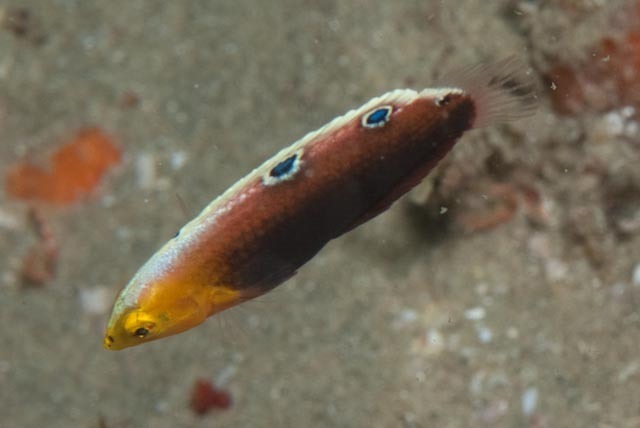
Rainbow Wrasse
Family Labridae
Rainbow wrasse with iridescent flanks and a deeply-forked tail. Active sand-sleeper — needs a deep sand bed for nightly burrowing. Will sample small ornamental shrimp; safer with mature corals than with delicate inverts.
Min tank: 30 gal
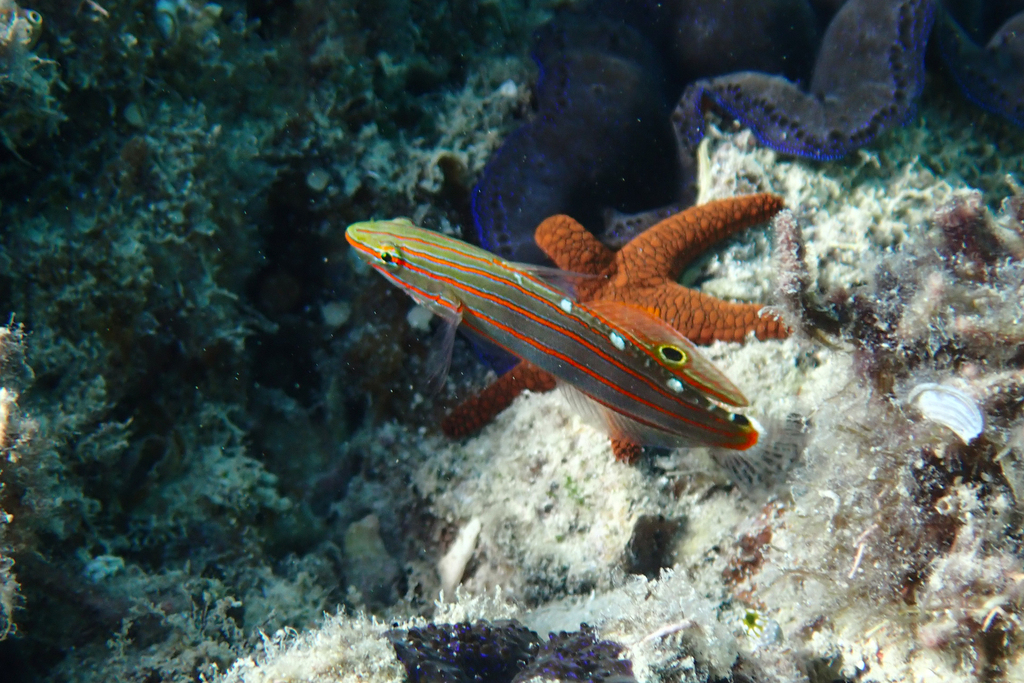
Old Glory
Family Gobiidae
Old glory goby — orange and yellow horizontal striping make it one of the most colorful small gobies you can keep. Active grazer that picks at film algae and detritus on rockwork. Hardy and peaceful in any reef.
Min tank: 20 gal
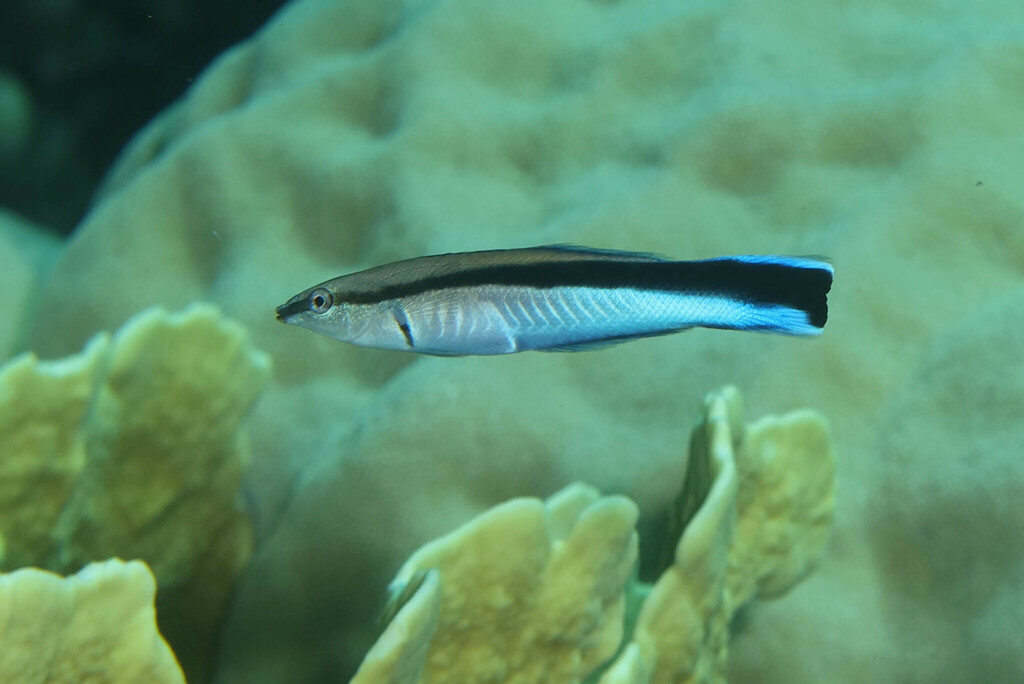
Bluestreak Cleaner Wrasse
Family Labridae
The bluestreak cleaner wrasse looks irresistible and we don't recommend it. They specialize on parasites in the wild; in captivity most starve within months. Captive-bred neon gobies (Elacatinus oceanops) do the same job and thrive.
Min tank: 30 gal

Leopard Wrasse
Family Labridae
Leopard wrasse — stunning spotted pattern, but obligate copepod feeder. Only buy from suppliers who confirm the specimen is eating, and only put it in a mature system with a thriving pod population (or refugium feed).
Min tank: 30 gal

Linespot Fangblenny
Family Blenniidae
Striped fang blenny — venomous to predators, peaceful to everything else. Mimics and is mimicked by several other species. A hardy mid-water swimmer that adds personality without aggression. Good first-fang-blenny pick.
Min tank: 20 gal
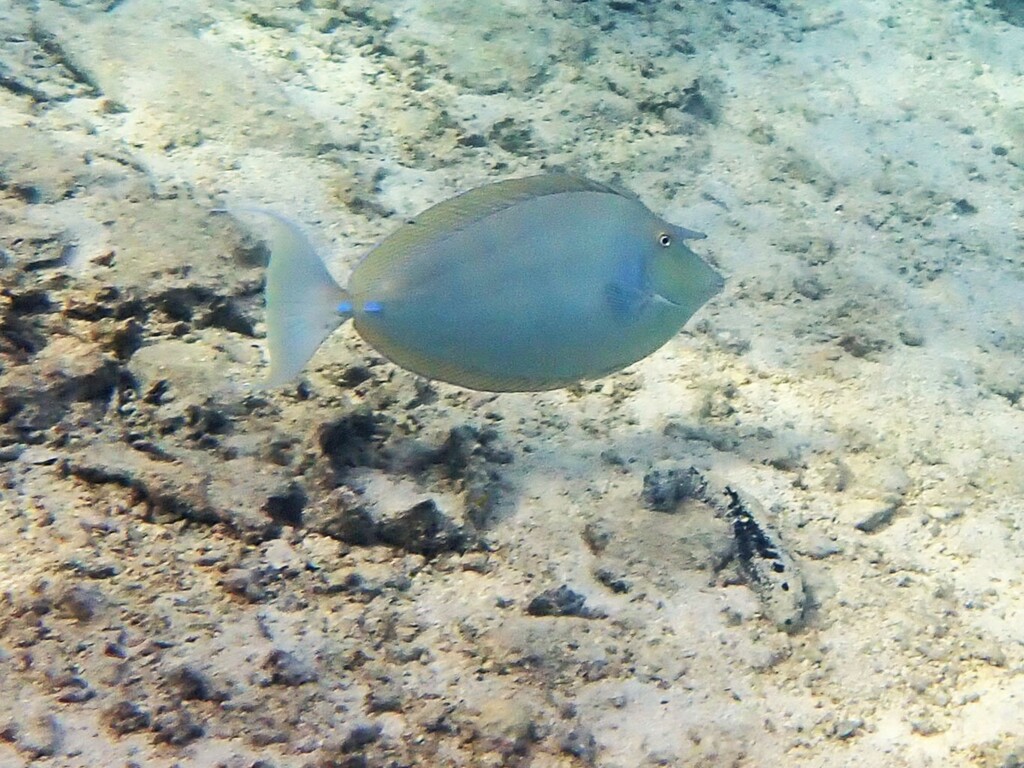
Bluespine Unicornfish
Family Acanthuridae
Bluespine unicornfish — a giant tang that reaches over two feet in adulthood. Reef-safe and personable, but needs a tank of 240 gallons or more long-term. Not a fish you grow out of an 80-gallon and "rehome."
Min tank: 240 gal

Decorated Dartfish
Family Microdesmidae
Purple firefish — the showier cousin of the standard firefish, with deep purple, magenta, and yellow accents. Same care: peaceful, mid-water hovering, jumpy. A tight-fitting lid is non-negotiable.
Min tank: 20 gal

Firefish Goby
Family Microdesmidae
Slender, white-and-orange with a tall first dorsal fin. Hovers in open water and dives to its burrow at the slightest scare.
Min tank: 20 gal
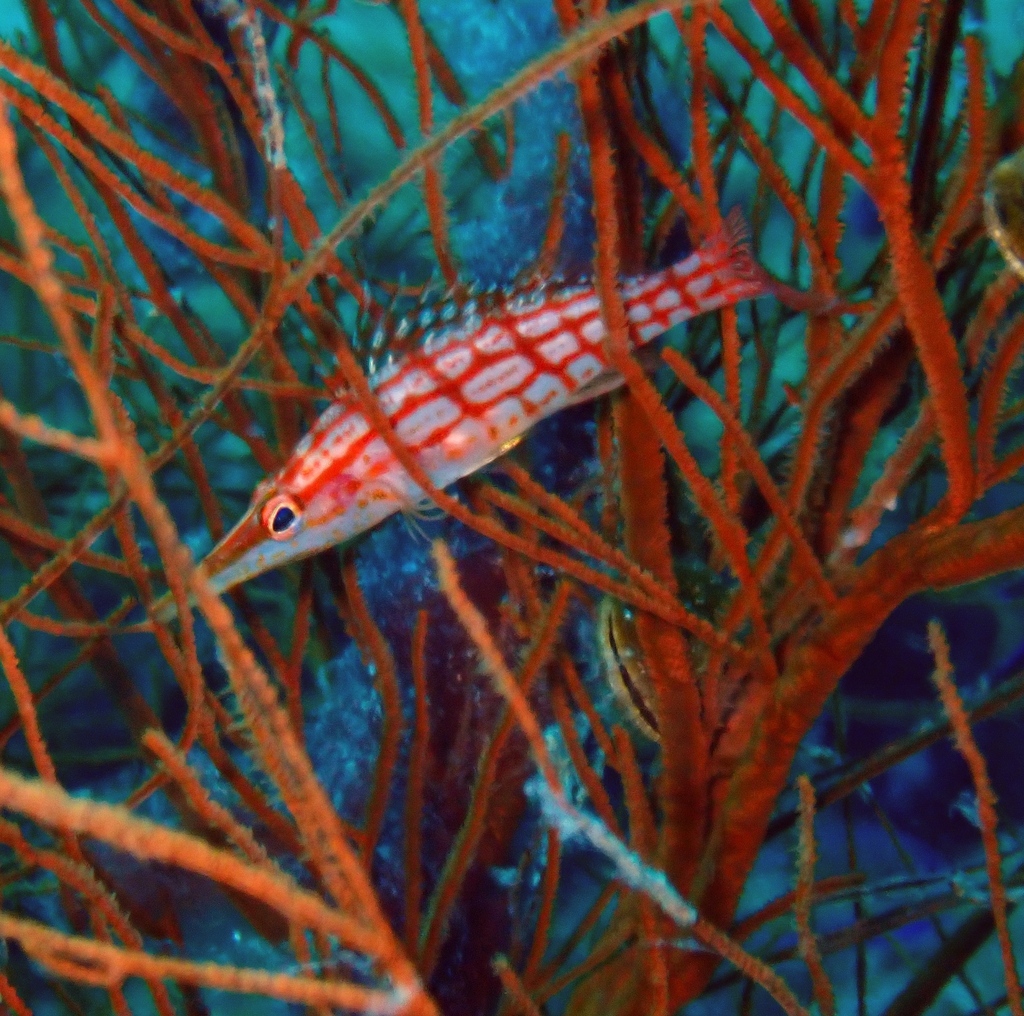
Longnose Hawkfish
Family Cirrhitidae
Striking red-and-white grid pattern on a long-snouted hawkfish that perches in branching coral. Reef-compatible with corals but will pick off small ornamental shrimp. Hardy and easy to feed once established.
Min tank: 30 gal
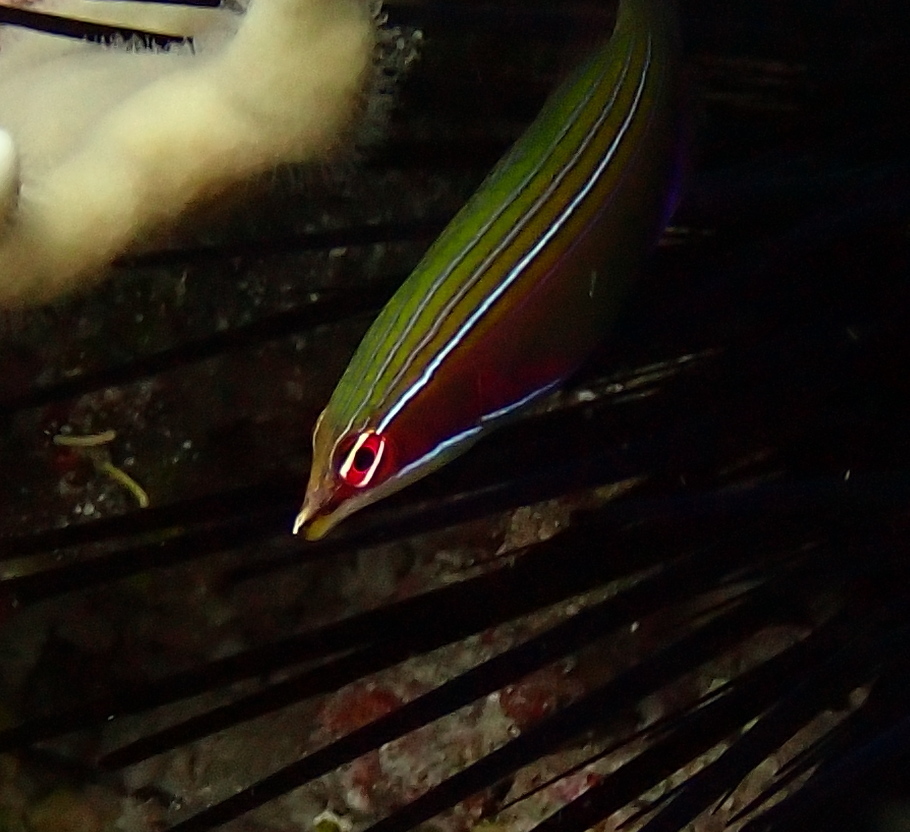
Four-lined Wrasse
Family Labridae
Four-line wrasse — small, hardy, and effective at controlling pest flatworms and bristleworms. Mildly aggressive to similar small fish, so add it last to the stocking order. A favorite of nano-reefers.
Min tank: 30 gal
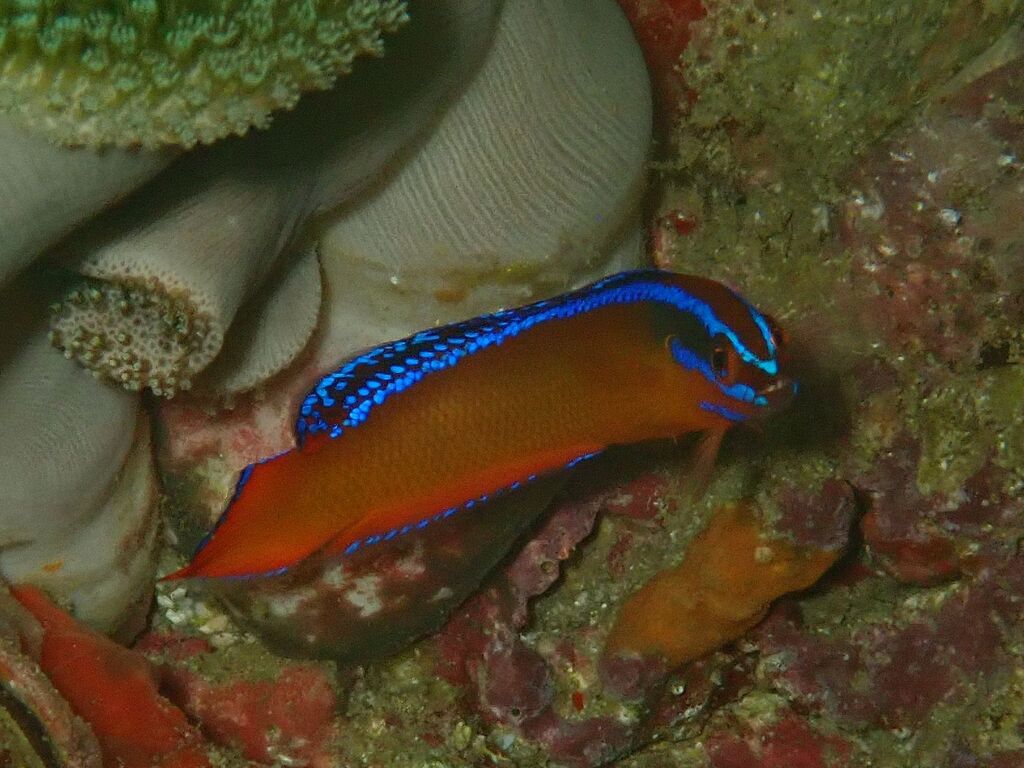
Orange Dottyback
Family Pseudochromidae
Electric-orange dottyback — small, vibrant, and useful for controlling bristleworm and pyramid snail populations. Aggressive for its size: don't pair with similar small peaceful fish. Add last to the tank.
Min tank: 30 gal

Red-striped Shrimpgoby
Family Gobiidae
Yasha goby — partners with a pistol shrimp in a shared burrow, just like the Pinkspot. The yasha is smaller and more nano-friendly, and the red-striped white body is striking. Always buy the goby-shrimp pair together.
Min tank: 20 gal
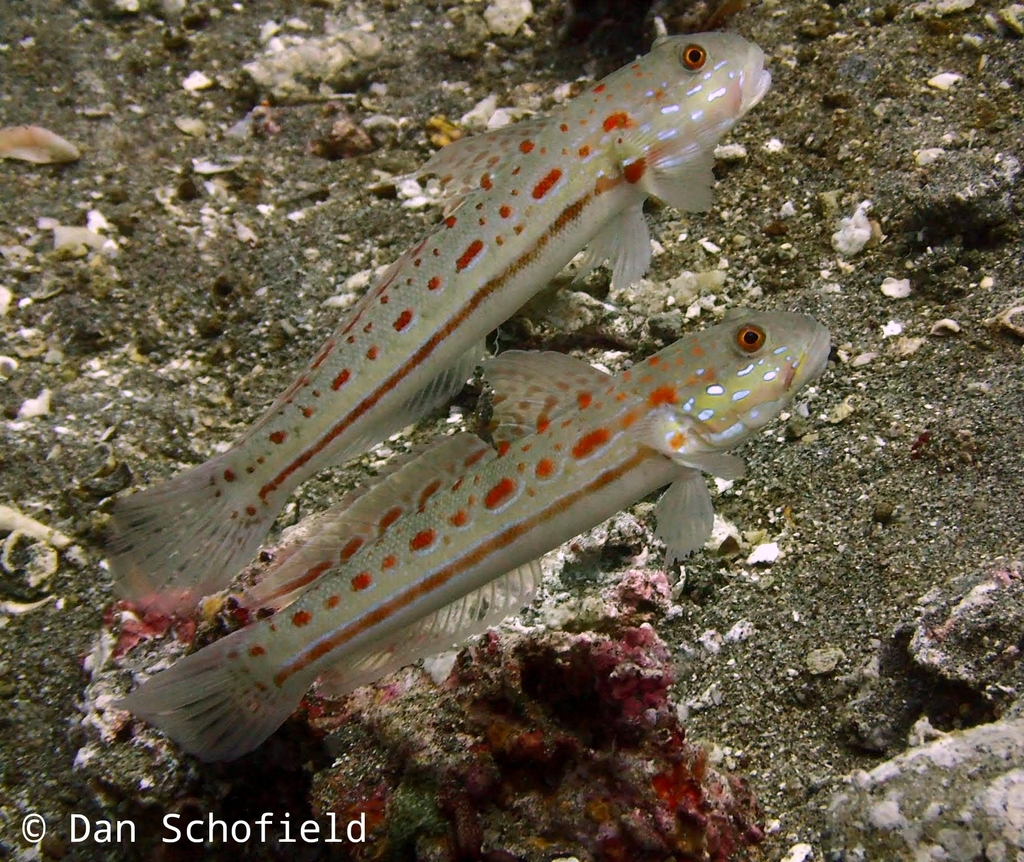
Orange-dashed Goby
Family Gobiidae
Diamond goby — large, peaceful sand-sifter that constantly filters sand through its gills, exposing detritus for cleanup. Needs an established sand bed with sufficient microfauna or will slowly starve. Mature systems only.
Min tank: 20 gal

Brown Tang
Family Acanthuridae
Brown tang — understated coloring belies a hardy, active grazer. Reaches the same adult size as a yellow tang and benefits from the same conditions: plenty of swimming room and constant access to algae or nori.
Min tank: 180 gal

Percula Clownfish
Family Pomacentridae
The percula clownfish (Amphiprion percula) is one of the most iconic reef fish in the hobby — small, hardy, and famously photogenic against host anemones. Tank-bred specimens are widely available and adapt well to standard reef tanks.
Min tank: 30 gal

red velvet fairy wrasse
Family Labridae
Red velvet fairy wrasse — deep ruby coloration with iridescent scales. Peaceful, beautifully behaved, and jumper-prone (lid required). Pairs and harems work in larger reef tanks with established territories.
Min tank: 30 gal